
Urban Gardening: How Cities Can Feed Themselves
-Ranvitha E 9B
In many big cities today, people buy food that travels hundreds of miles before reaching their plates. This uses a lot of fuel, causes pollution, and makes food more expensive. But there is a simple and smart solution — urban gardening.
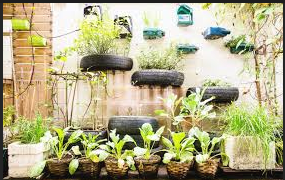
Urban gardening means growing plants, fruits, and vegetables in city spaces. People can grow food on rooftops, balconies, small yards, or even in old containers and bottles. Some cities even turn empty plots of land into small community gardens.
This idea helps the environment in many ways. Plants clean the air, reduce heat, and make cities greener. Growing food nearby means fewer trucks and less fuel, which lowers pollution. It also reduces food waste because people only grow what they need.
Urban gardening also makes life better for people. It helps them relax, eat healthy food, and connect with nature. In community gardens, people from different families work together and share their harvest. It builds friendship and teamwork.
Many schools have started small gardens where students learn how food grows. This teaches them about nature, patience, and care for the planet.
If more people in cities start planting, we can make our towns greener, cleaner, and healthier. Urban gardening shows that even small actions — like growing a tomato plant on your balcony — can make a big difference.