
B-2 Spirit — Safety, Stealth, and the Slow Art of Power
There is a quiet kind of awe that gathers when one speaks of the B-2 Spirit. Born at the close of the Cold War, this flying wing carries with it the solemn craftsmanship of an age that prized careful engineering and strategic patience. It is not merely a machine; it is a tradition of secrecy and skill given wings — a whisper in the sky meant to pass unseen and, if called upon, to arrive with decisive heft. Wikipedia+1
The story: the B-2 first rose from the earth on 17 July 1989 and entered U.S. Air Force service in the 1990s as a stealthy long-range bomber built to slip past the densest of defenses. Only 21 were built; after one loss, twenty remain in the fleet — small numbers for a grand purpose, like a handful of aged swords passed down through generations. Wikipedia+1
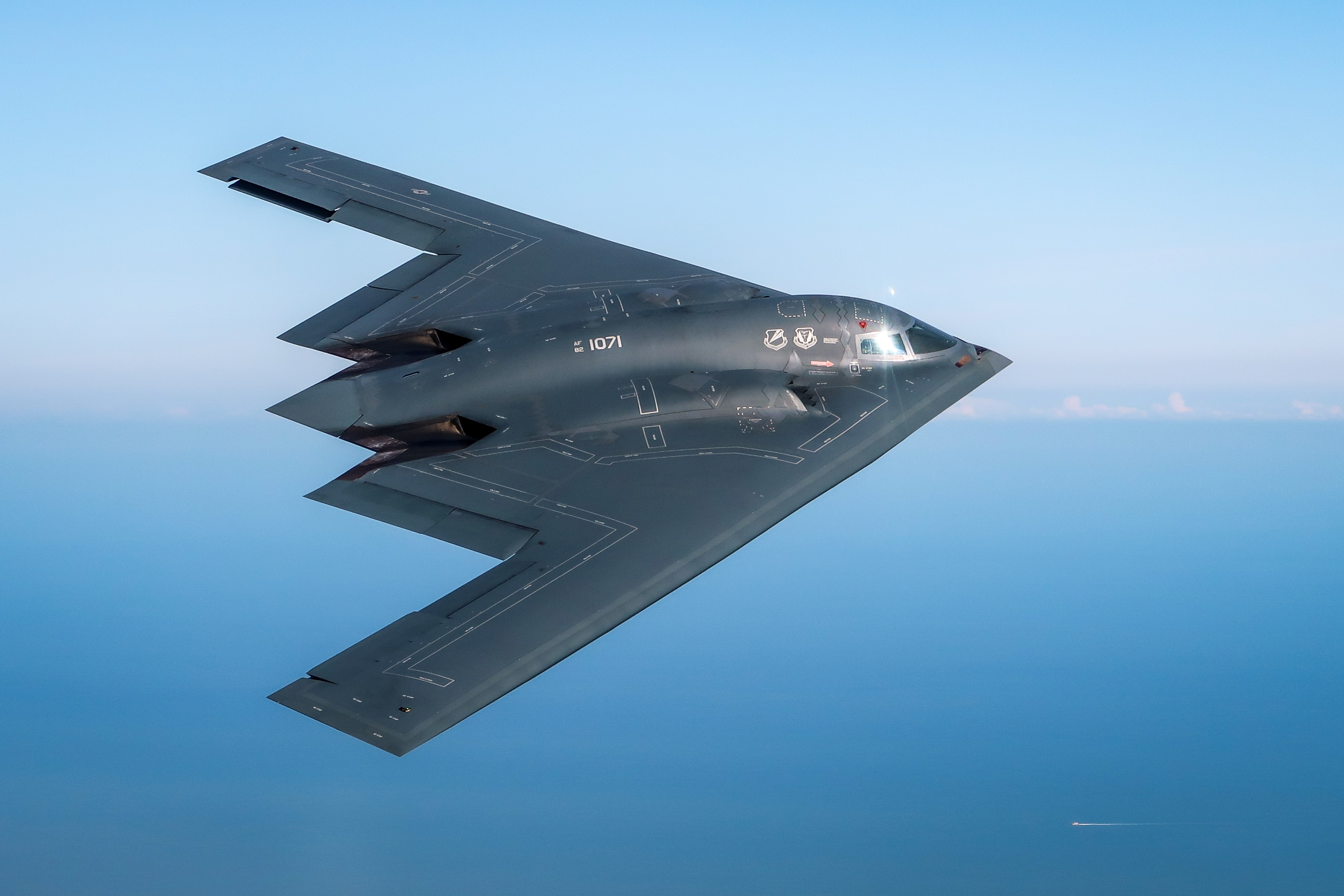
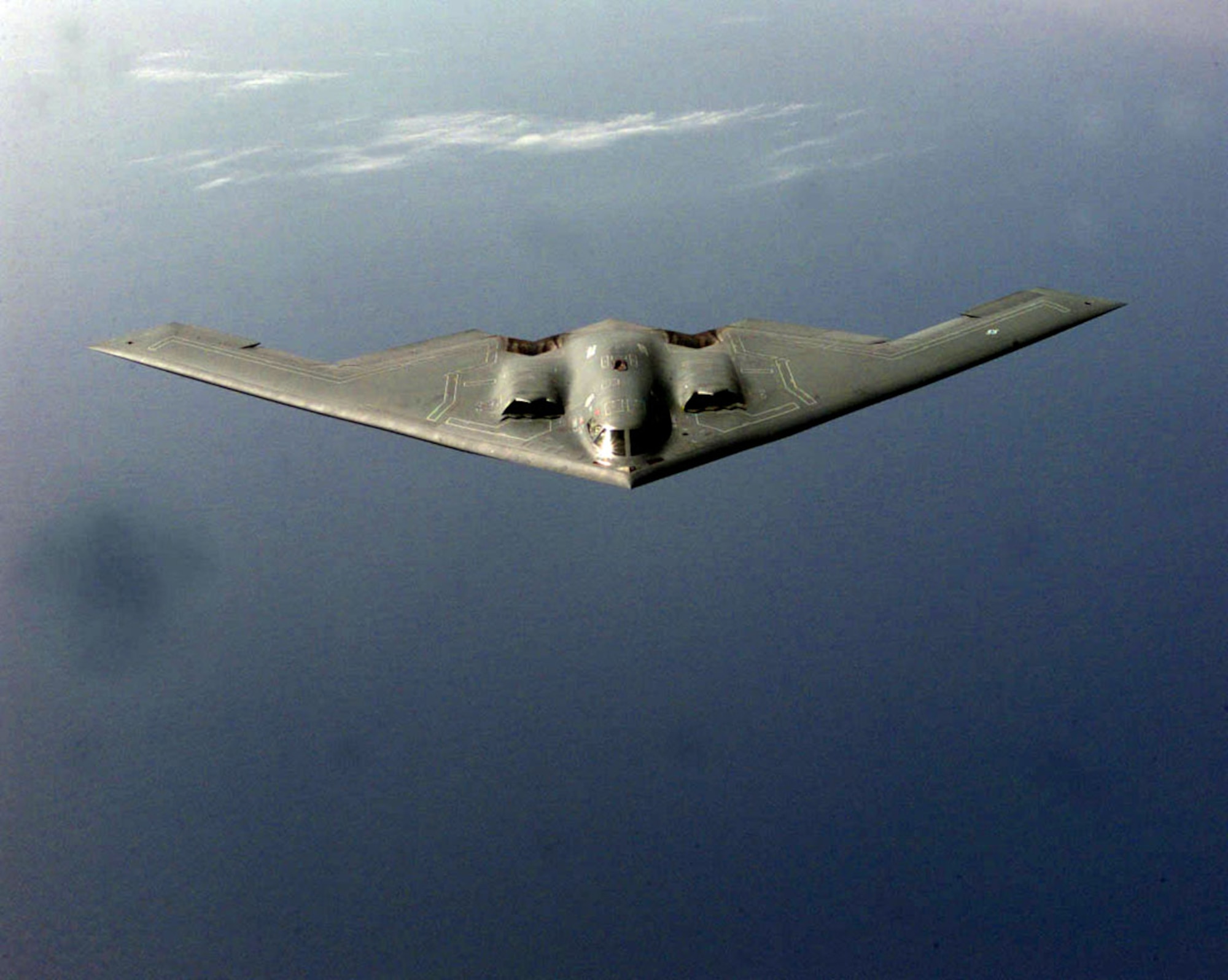
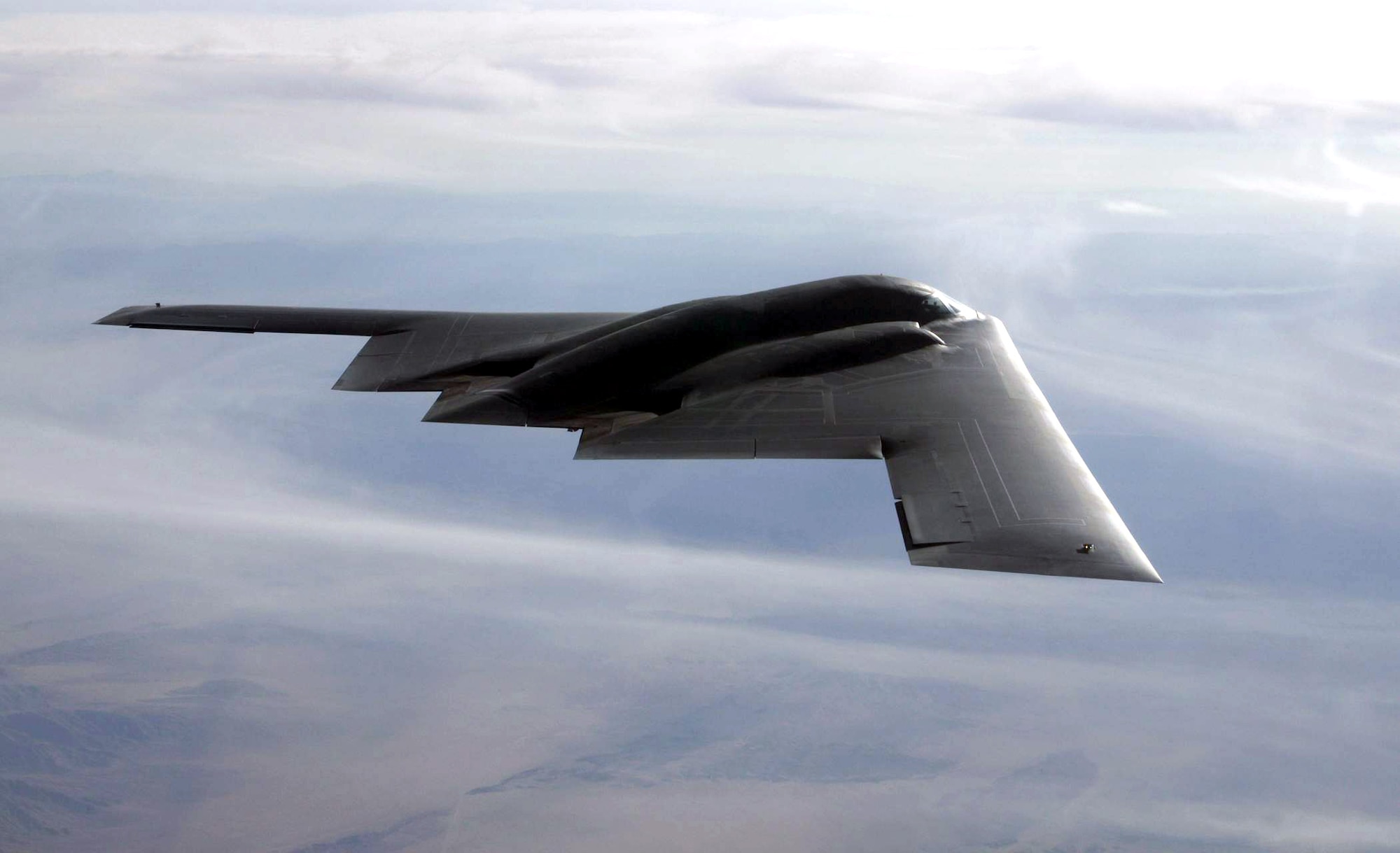
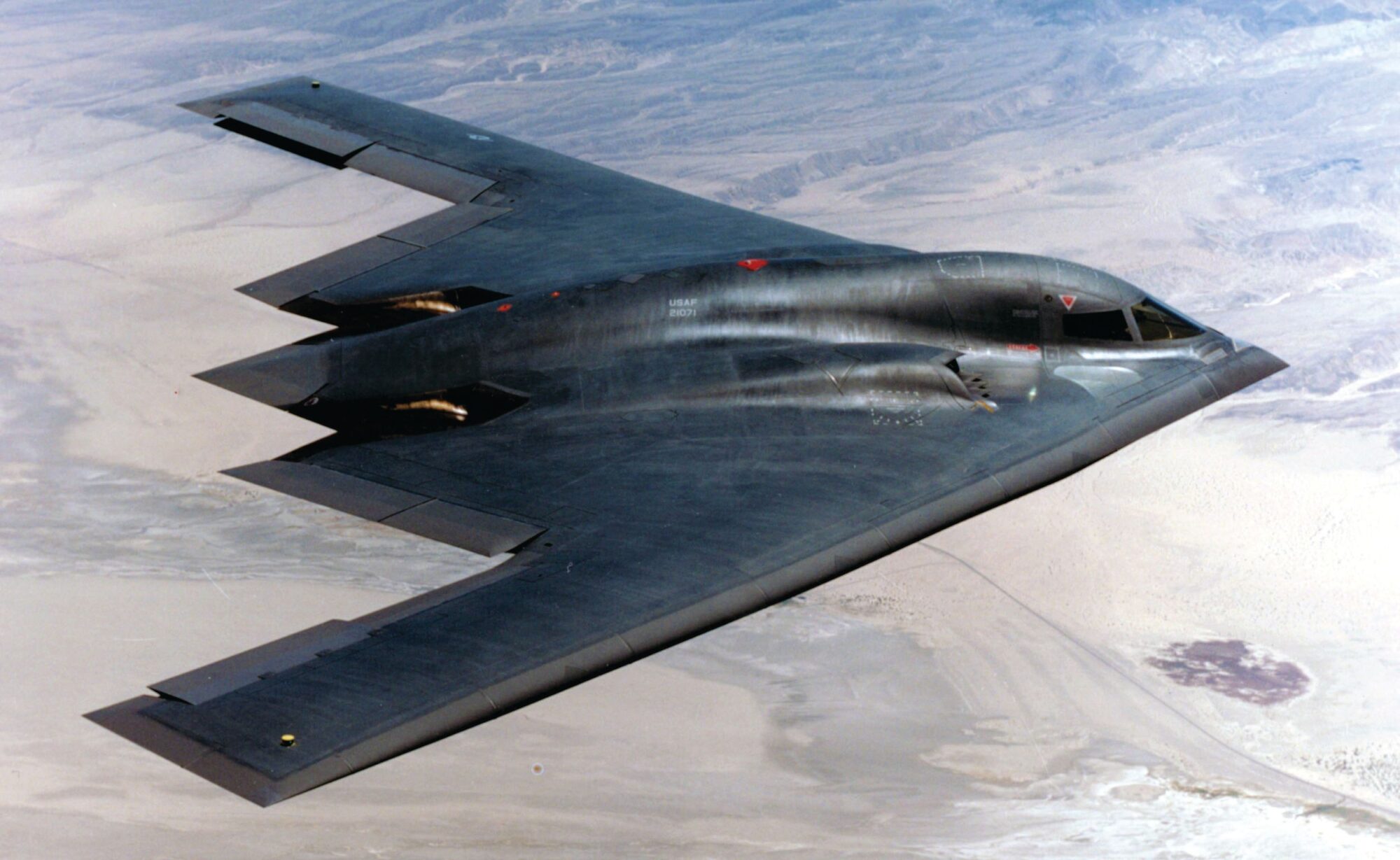
What makes the B-2 sing the way it does is stealth — not magic, but mastery of shape, materials, and signature management. Its flying-wing form and radar-absorbent coatings minimize reflections that would betray it to radars. That design philosophy traded flamboyant speed for near-invisibility, allowing subsonic, long-range missions that reach anywhere on the globe with precision payloads, conventional or nuclear. Wikipedia+1
In measure and presence the B-2 is impressive: a wingspan of about 172 feet, a crew of two, and a heft that belies the grace of its silhouette. Though not a brute in speed, its value lies in reach and subtlety — the ability to appear where others cannot, to strike with carefully chosen munitions, and to return as if it had never been. Encyclopedia Britannica
Like any storied craft, the Spirit has been tended and modernized. Through upgrades to its computing, sensors, communications, and radar-absorbent maintenance, the Air Force and its industry partners have kept these aircraft relevant well into the 21st century, while planning their slow handover to the next generation — the B-21 Raider. Sustaining a small fleet of such complexity is costly and meticulous work, but tradition teaches us that some things are worth the tending. Wikipedia+1
The B-2’s operational record reads like careful verses: strategic deterrence, precision conventional strikes, and missions that require the confidence only stealth can buy. Its very existence reshaped how nations count the cost of layered defenses and ponder the reach of modern air power. Yet for all its power, the Spirit’s true lesson is old and human — the value of restraint, preparation, and mastery over haste. In the twilight between eras, the B-2 stands as a solemn reminder that the finest tools are those crafted with patience and respect for history. It is a machine of the recent past that still speaks to our present: a sober, elegant instrument of national security and an ode to engineering practiced as an old art.