
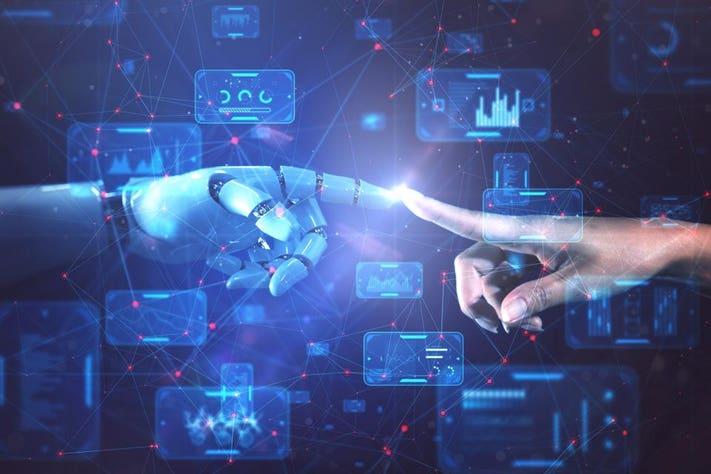
Technology has undoubtedly reshaped the modern world, impacting our lives in countless ways, both beneficial and challenging. From instantaneous global communication to breakthroughs in healthcare and education, technology's influence is pervasive, but its rapid advancements also bring forth complex societal implications, particularly highlighted by its interplay with cultural norms and traditional practices, according to a study published by the National Institutes of Health (NIH).
Positive impacts
Enhanced communication and connectivity: Social media, messaging apps, and video conferencing bridge geographical barriers, allowing real-time communication and fostering global interactions.
Revolutionized healthcare: Technology has driven advancements in diagnosis, treatment, and prevention of diseases, improving healthcare access and quality, notes The Times of India.
Democratized information and education: The internet provides unprecedented access to knowledge, promoting self-learning, offering diverse perspectives, and expanding educational opportunities through e-learning platforms.
Increased productivity and economic growth: Automation and digital tools enhance efficiency in various industries, potentially leading to increased productivity and economic prosperity.
New forms of cultural expression: Technology enables new forms of cultural expression and preservation, allowing individuals and communities to share their stories and traditions with a wider audience.
Negative impacts
Job displacement and economic inequality: Automation and AI raise concerns about job displacement in some sectors. This may contribute to a widening income gap.
Technology addiction and isolation: Excessive screen time can lead to negative health effects, such as eye strain and sleep deprivation. It may also foster social isolation and weaken real-world relationships.
Privacy concerns and cybersecurity risks: Data collection and the rise of cyber threats necessitate stronger measures to protect privacy and prevent cyberattacks.
Reinforcing biases and spreading misinformation: Social media algorithms can create echo chambers. This can amplify hate speech and misinformation, impacting societal fragmentation.
Cultural homogenization and erosion of traditions: The dominance of certain cultural narratives through technology can lead to the marginalization of local traditions and a blurring of cultural identities.
The future of technology and society
Navigating this complex landscape requires a thoughtful and balanced approach. This means focusing on:
Promoting responsible technology use: Fostering digital literacy, encouraging mindful engagement with technology, and implementing regulations to mitigate its potential harms.
Investing in education and skill development: Preparing individuals for the evolving job market by emphasizing STEM education and enabling lifelong learning opportunities.
Bridging the digital divide: Ensuring equitable access to technology and resources for all, irrespective of socioeconomic status or geographical location.
Fostering inclusive and ethical technological development: Designing technologies that prioritize diverse perspectives, prevent biases, and safeguard cultural heritage.
By embracing responsible innovation, prioritizing ethical considerations, and fostering collaboration across sectors, it is possible to strive to harness technology's transformative potential for the greater good. This enhances human progress and ensures a more equitable and sustainable future for all, according to the United Nations.
AI responses may include mistakes.