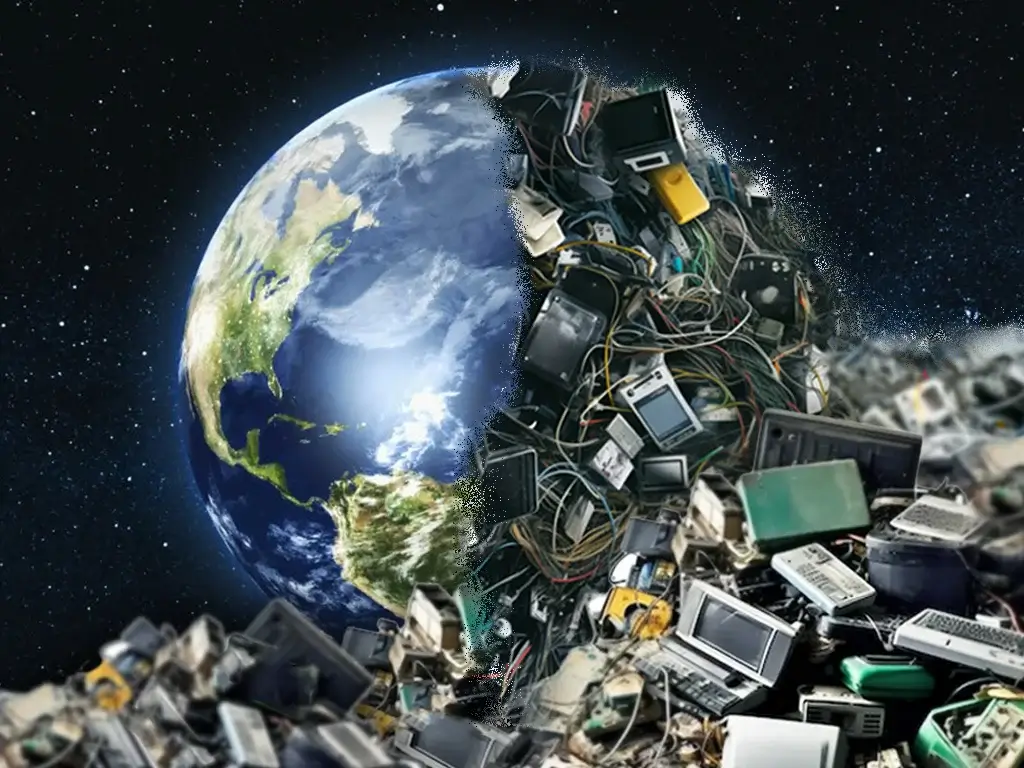
E-waste, or electronic waste, refers to the vast and ever-growing stream of discarded electrical and electronic devices such as smartphones, tablets, laptops, televisions, refrigerators, and batteries — objects that often house not only precious and recoverable resources like gold, silver, copper, and rare earth elements, but also dangerous and persistent toxins including lead, mercury, and cadmium. The magnitude of this modern crisis is alarming: in 2024 alone, humanity generated over 60 million metric tonnes of e-waste, and when improperly disposed of, these items can leach poisonous chemicals deep into the soil and groundwater, release noxious fumes into the atmosphere through uncontrolled burning, and inflict grave health consequences on vulnerable populations, particularly in developing nations that bear the brunt of global e-waste dumping. Yet, within this daunting environmental challenge lies a remarkable opportunity for recovery and renewal — responsible recycling practices can reclaim high-value metals, conserve irreplaceable natural resources, and drastically reduce the damage to ecosystems. Forward-looking corporations are increasingly adopting circular economy principles, engineering products to be more repairable, upgradable, and recyclable, while progressive governments are implementing extended producer responsibility policies that hold manufacturers accountable for the safe recovery of their end-of-life goods. On an individual level, we can each contribute to this global effort by resisting the culture of rapid replacement, extending the lifespan of our devices through repair, donating or selling functional electronics, using only certified e-waste recycling channels, and consciously supporting brands that prioritize sustainability, thereby transforming e-waste from a planetary liability into an opportunity for long-term environmental stewardship and responsible technological progress.