
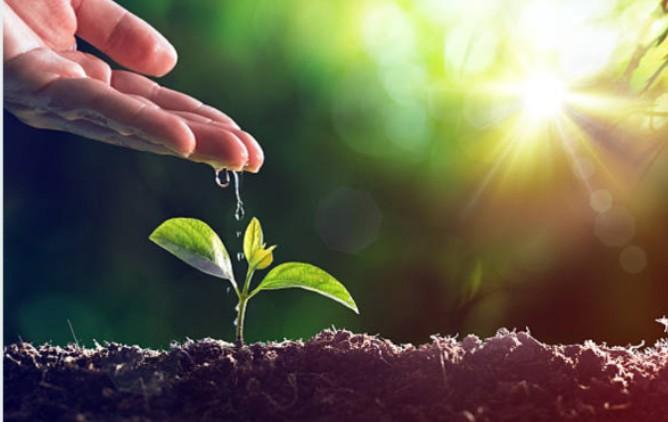
Plants are vital for life on Earth, providing essential resources and playing crucial roles in maintaining ecosystems. They produce oxygen, which is vital for respiration, and are a primary source of food for humans and animals. Furthermore, plants help regulate the climate, prevent soil erosion, and provide habitats for various species.
Here's a more detailed look at the importance of plants:
1. Oxygen Production and Air Quality: Through photosynthesis, plants convert carbon dioxide into oxygen, which is essential for the survival of most living organisms. They also help reduce air pollution by absorbing pollutants and particulate matter.
2. Food Source: Plants are the foundation of the food chain, providing fruits, vegetables, grains, and other essential nutrients for humans and animals.
3. Climate Regulation: Plants absorb carbon dioxide, a greenhouse gas, from the atmosphere, helping to mitigate climate change and regulate temperature.
4. Soil Conservation: Plant roots help bind the soil, preventing erosion and maintaining soil fertility.
5. Habitat Provision: Plants provide shelter and food for a wide range of animals, supporting biodiversity and ecosystem stability.
6. Other Uses: Plants are also a source of wood for construction, fibers for clothing, and various medicines.
In essence, plants are not just aesthetically pleasing; they are fundamental to the health and well-being of our
planet and all living things.