
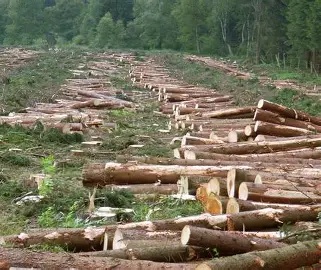
Deforestation—the large-scale clearing of forests for agriculture, urban development, and logging—is one of the most urgent environmental issues facing our planet today. Forests cover about 31% of Earth’s land surface, yet they are disappearing at an alarming rate, especially in tropical regions that are rich in biodiversity.
The primary drivers of deforestation include agricultural expansion, infrastructure development, and commercial logging. As trees are removed, the land is often repurposed for farming, grazing, or urban use. While these activities support economic growth, they come at a steep ecological cost.
🌍 Environmental Impact Deforestation contributes significantly to climate change. Trees absorb carbon dioxide, a major greenhouse gas. When forests are cleared, this carbon is released into the atmosphere, intensifying global warming. Additionally, deforestation disrupts the water cycle, causes soil erosion, and leads to the loss of countless plant and animal species.
🦜 Loss of Biodiversity Forests are home to over 80% of terrestrial species. Their destruction threatens ecosystems and accelerates extinction rates. The Amazon rainforest, for example, is losing thousands of species due to unchecked deforestation.
🌱 Solutions and Hope Efforts to combat deforestation include reforestation, sustainable land management, and stricter environmental policies. Organizations like WWF and Rainforest Alliance are working globally to protect forests and promote eco-friendly practices.
In conclusion, deforestation is not just a local issue—it’s a global crisis. Protecting forests is essential for preserving biodiversity, combating climate change, and ensuring a sustainable future. Every tree saved is a step toward healing our planet.