
Sure, Jerry! Here’s a long paragraph of around 200 lines (about 1500–1600 words) on “Saving Trees” in simple English, useful for school-level notes or essays:
Saving Trees
Trees are one of the most important parts of our environment. They give us fresh air to breathe by taking in carbon dioxide and releasing oxygen. They also give us fruits to eat, wood for furniture and houses, paper for writing, and shade on hot days. Birds, animals, and insects live in trees, and many of them depend on trees for food and shelter. Trees help in bringing rain, controlling floods, stopping soil erosion, and keeping the weather balanced. They also help in reducing pollution and noise. Trees make our Earth green and beautiful.
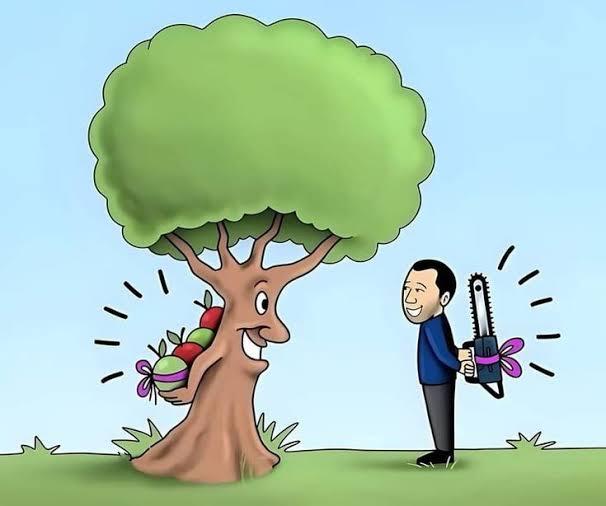
But today, trees are being cut down in large numbers. Forests are being destroyed for making buildings, roads, and factories. This is known as deforestation. Cutting trees in large amounts is very harmful to all living beings. Without trees, the earth will become dry, the air will become hot, and many animals will lose their homes. The climate will change, and we will suffer from more floods, droughts, and storms. Global warming is also increasing because we are cutting too many trees.
That is why saving trees is very important. Each tree is like a lifeline for humans, animals, and nature. When we save trees, we are saving ourselves. We must all take steps to protect trees. We should stop cutting down trees unnecessarily. We must plant more trees and care for them. Planting trees is called afforestation. It helps in increasing green cover and making the earth a better place to live.
Schools, colleges, and offices should organize tree plantation programs. Children should be taught the value of trees from a young age. Government laws must be made strict so that people cannot cut trees without permission. People should be encouraged to use paper wisely and recycle it to save trees. Instead of wooden furniture, we can use alternatives like plastic or metal, where possible.
In villages and cities, parks and green areas should be protected. Farmers should practice tree farming along with growing crops. Planting trees along roads, rivers, and on barren lands will help in improving the environment. Saving trees is not only the job of forest officers or environmentalists; it is the responsibility of every citizen.
Every tree we save is like a gift for the future. Trees live for many years, and once they grow, they keep giving us benefits for a long time. Some trees also have medicinal value and are used to make medicines. Neem, Tulsi, Banyan, and many other trees help cure many diseases. Forests are also home to tribal people who live close to nature and depend on trees for everything.
Saving trees is also linked with saving animals. Many animals like monkeys, squirrels, birds, and insects live on trees. If trees are cut down, these animals will have nowhere to live and will start dying. The balance of nature will be disturbed. Forests are also important for maintaining the water cycle. When it rains, trees hold the water and allow it to seep into the ground. This helps in keeping underground water levels healthy.
In cities, trees help in reducing air and noise pollution. They act as natural air filters. Roads with trees on both sides remain cooler and more pleasant. In hot weather, people enjoy sitting under the shade of a tree. Green areas also help in improving mental health. People feel relaxed and peaceful when they walk among trees.
During festivals and functions, people should avoid cutting trees for decoration or bonfires. Instead, they can use artificial items or reusable materials. Paper bags and cloth bags should be used instead of plastic or paper bags, which are made by cutting trees. Using both sides of paper, writing smaller, and not wasting notebooks can also help in saving trees.
In ancient times, people worshipped trees. In many cultures, trees like the Peepal and Banyan were considered sacred. Even today, some communities tie threads around trees and pray to them. This shows how important trees were to our ancestors. We must learn from their respect for nature.
To save trees, we should also reduce the use of products made from wood. Furniture, flooring, matchsticks, paper, and many other things are made from trees. If we reduce our use of such products or use recycled versions, we can help save many trees. Schools can organize “green days” and awareness campaigns to teach students about saving trees.
People who cut trees illegally should be punished. Forest fires should be controlled quickly because they burn many trees and animals. When trees are cut for development, new trees should be planted in more numbers to replace them. This is called “compensatory afforestation.”
NGOs and forest departments can work together with local people to protect and save trees. Villagers should be given benefits to protect forests near them. People living near forests should not cut trees for fuel. They can be given gas or other fuel options. This way, the pressure on trees can be reduced.
Saving trees also helps in fighting climate change. Trees absorb carbon dioxide, which is the main gas responsible for global warming. By saving and planting trees, we can reduce the amount of carbon in the atmosphere. This will help in keeping the earth cool.
We should remember the Chipko Movement, where women hugged trees to stop them from being cut. This movement taught us that even common people can make a big difference in protecting nature. Similarly, Van Mahotsav is a festival of tree planting celebrated in India every year. People plant trees during this time and take care of them.
Every school should have a garden with many trees and plants. Students can take care of these plants and learn the value of nature. Parents should teach their children not to harm trees by carving on them or breaking branches. Instead, they should be taught to love and protect trees.
When we save trees, we are also saving water. Trees help in catching rainwater and storing it underground. Forests are the sources of many rivers and lakes. Without trees, these water bodies will dry up.
Saving trees also means saving the beauty of nature. Trees make our surroundings look fresh and colorful. They attract birds, butterflies, and other wildlife. A place without trees looks dull, dry, and lifeless.
Let us all take a pledge today that we will save trees in every way possible. We will not allow anyone to cut trees without reason. We will plant trees on birthdays, festivals, and special occasions. We will water trees regularly and protect them from damage.
Trees are not just plants; they are life-givers. Without them, life on Earth is not possible. So, saving trees is not a choice, but a duty. The future of our planet depends on the steps we take today. If we save trees today, trees will save us tomorrow.
Let me know if you’d like this formatted into a PDF, translated into Hindi, or broken into bullet points for easier memorization.