
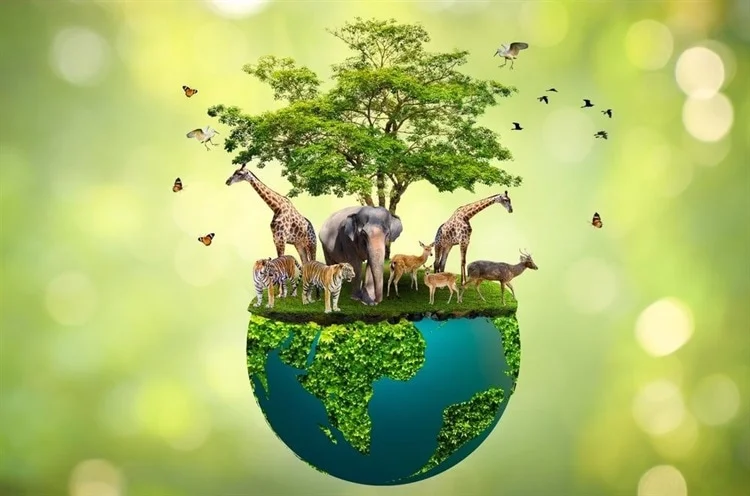
Why is nature conservation important?
- Biodiversity Preservation: Biodiversity, the variety of life on Earth, is essential for ecosystem stability and resilience. Ecosystems provide critical services such as food, clean water, natural medicines, and protection from natural disasters. Conservation efforts focus on protecting endangered species, preserving habitats, and promoting practices that maintain a healthy balance in nature.
- Climate Action: Nature plays a vital role in regulating the Earth's climate. Forests, oceans, and wetlands act as carbon sinks, absorbing greenhouse gases and reducing their concentration in the atmosphere. Protecting and restoring these ecosystems can help mitigate climate change and its impacts.
- Ecosystem Services: Healthy ecosystems provide essential services that support human life and economic activity. These services include water filtration, soil formation, nutrient cycling, and pollination. Conserving nature ensures the continued provision of these services, which are crucial for our survival and well-being.
- Cultural and Aesthetic Value: Natural environments hold significant cultural and aesthetic value, enriching lives and inspiring people. Many communities have deep cultural connections to nature, and conserving these areas protects their heritage.
- Economic Value: Industries like tourism, fishing, and pharmaceuticals depend on natural resources. Conserving these resources ensures the sustainability of these industries and contributes to economic development.
Challenges to nature conservation
Despite the growing recognition of the importance of nature conservation, numerous challenges hinder its progress:
- Habitat Destruction and Fragmentation: The loss and fragmentation of natural habitats due to human activities like deforestation, urbanization, and agricultural expansion is a major driver of biodiversity loss.
- Climate Change: Rising temperatures, altered rainfall patterns, and increased frequency of extreme weather events pose significant threats to ecosystems and species.
- Pollution: Air, water, and land pollution, from sources like industrial waste, pesticides, and plastics, contaminate ecosystems and harm wildlife.
- Overexploitation: Unsustainable hunting, fishing, and resource extraction deplete wildlife populations and disrupt ecosystems.
- Poaching and Illegal Wildlife Trade: The illegal hunting and trafficking of endangered species for economic gain further threaten vulnerable populations.
- Insufficient Funding and Resources: Many conservation efforts are hampered by a lack of financial resources and trained personnel.
- Lack of Awareness and Political Will: Public ignorance and insufficient political prioritization of conservation can hinder policy implementation and support for conservation initiatives.
Moving forward
Addressing these challenges requires a concerted effort from individuals, communities, governments, and organizations. Some key strategies for effective nature conservation include:
- Sustainable Resource Use: Adopting practices like renewable energy, sustainable agriculture, and water conservation.
- Reforestation and Afforestation: Planting trees to restore and expand forest cover.
- Pollution Control: Reducing industrial and agricultural pollution, promoting waste management, and reducing reliance on plastics.
- Wildlife Protection: Establishing and managing protected areas, combating poaching and illegal trade, and protecting habitats.
- Community Engagement and Education: Fostering awareness about environmental issues and involving local communities in conservation efforts.
- Strengthening Legal Frameworks: Enacting and enforcing stronger environmental laws and policies.
- Technological Innovations: Utilizing technologies like remote sensing, genetic analysis, and AI for wildlife monitoring and habitat management.
- International Cooperation: Collaborating across borders on conservation initiatives and adhering to international environmental agreements.
- Nature-Based Solutions: Integrating ecosystem-based approaches like protecting wetlands, managing urban green spaces, and restoring natural areas to address both climate change and biodiversity loss.
By working together and adopting a holistic, science-driven, and inclusive approach, biodiversity can be safeguarded, climate change impacts can be mitigated, and a healthy and sustainable future can be ensured for the planet.