
Right after we got our independence, Hindi Cinema took a massive U-turn, and began its journey as a modernistic, free India. Around the early 50's, the filmmakers were inspired by India’s freedom struggle, and this ideology reflected in the movies that were made in those initial years of independence. Movies like Naya Daur and Do Bigha Zameen were a major hit, and instantly captured the audiences' attention. It wasn't just because of the star cast of the aforementioned films, but also the humble characters and plotlines depicted in them, that made them instant hits. The sheer relatability accounted for its success, both in India and abroad. Movies back then highlighted issues that were relevant. It allowed the audience to connect with it more openly, and also acted as their representative. Mother India, Boot Polish, Naukri and others depicted a plethora of issues ranging from poverty, unemployment, to droughts and famines. Surprisingly so, these issues are still prevalent, yet we see minimal to no representation in today's Bollywood. On that note, these movies further went on to lay the foundation of parallel cinema, which saw its peak only in the late 20th century.

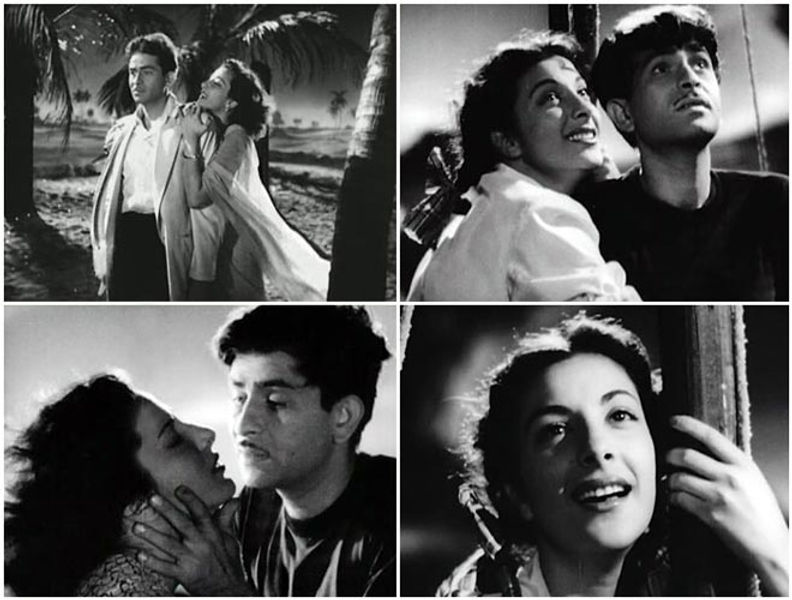
I won't ramble on about parallel cinema though. That requires a separate article in itself. I will, however, take you back to the era when we saw the advent of commercial cinema. Around mid 50's, a new trend started to show up - Period dramas, also known as historical dramas. One after the other, we saw blockbuster hits based on a variety of stories from our rich history. Baiju Bawra, Yahudi, Rani Roopmati, Mughal-e-Azam, Mirza Ghalib, Taj Mahal, Saraswati-chandra, are just a handful of examples. Not only did they offer variety in terms of content (each of them was based on a different era of our history), the technology used to recreate the stories was mindblowing. Even their themes were different from each other, which offered a plethora of insights. Probably why they were all superhits.


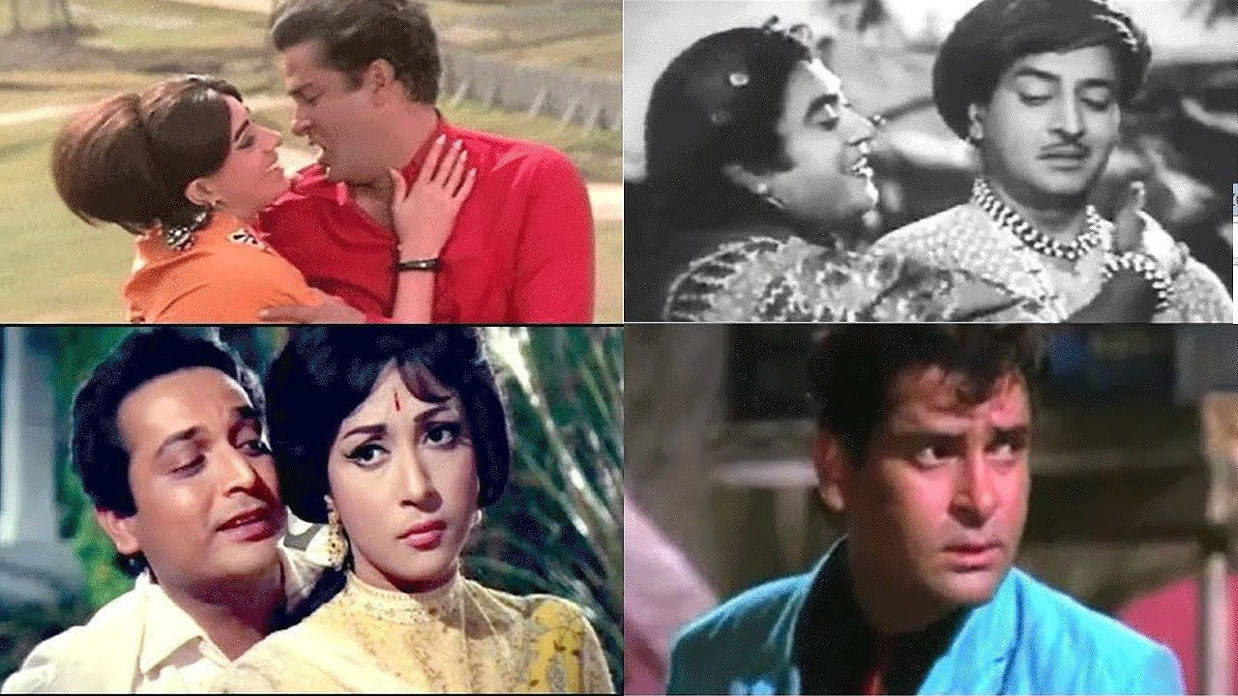 As the 60's gave way to 70's, the trends changed. But I'm not here to tell you about the timeline of Hindi Cinema. If you have read till here, I hope you have realised how fulfilling and varied these two decades have been. This is the Golden era that we should aspire to bring back. This is the Hindi cinema that Bollywood should take inspiration from. You will not find stories as original as they were back in this era. The ideas were floating in hundreds, and yet, no two movies were the same. The technology used by the directors then was far inferior than what we have today. But they delivered hits nevertheless, and that is something to learn from. The actors had their individual styles, but were still known for being versatile.
The Golden era is called so for a reason, because old is definitely gold.