
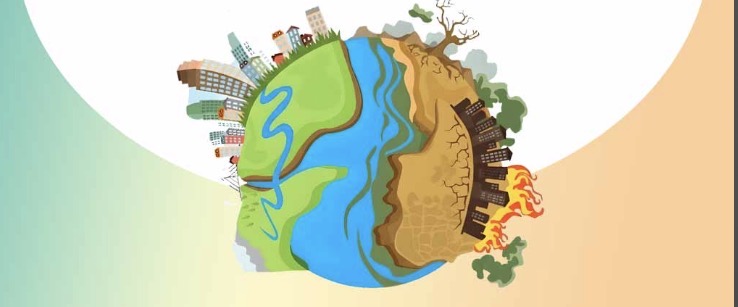
Global warming is the long-term rise in Earth’s average temperature, driven by human-induced greenhouse gas emissions from burning fossil fuels, deforestation, and industrialization. This causes severe consequences, including melting ice caps, rising sea levels, and extreme weather. To reduce global warming, we must transition to renewable energy (solar, wind), enhance energy efficiency, adopt eco-friendly transport, and protect forests.
Key Actions to Reduce Global Warming:
- Reduce Energy Consumption: Turn off lights and appliances when not in use and use energy-efficient LED bulbs.
- Switch to Renewables: Support or adopt solar and wind energy sources.
- Sustainable Transportation: Walk, cycle, use public transport, or switch to electric vehicles (EVs).
- Reduce, Reuse, Recycle: Minimize waste to lower emissions from landfills.
- Plant Trees: Increase green spaces to enhance carbon dioxide absorption.
- Conserve Water: Reduce energy used for pumping and heating water.
Individual actions, combined with global policy efforts, are necessary to limit temperature rise and protect ecosystems.