
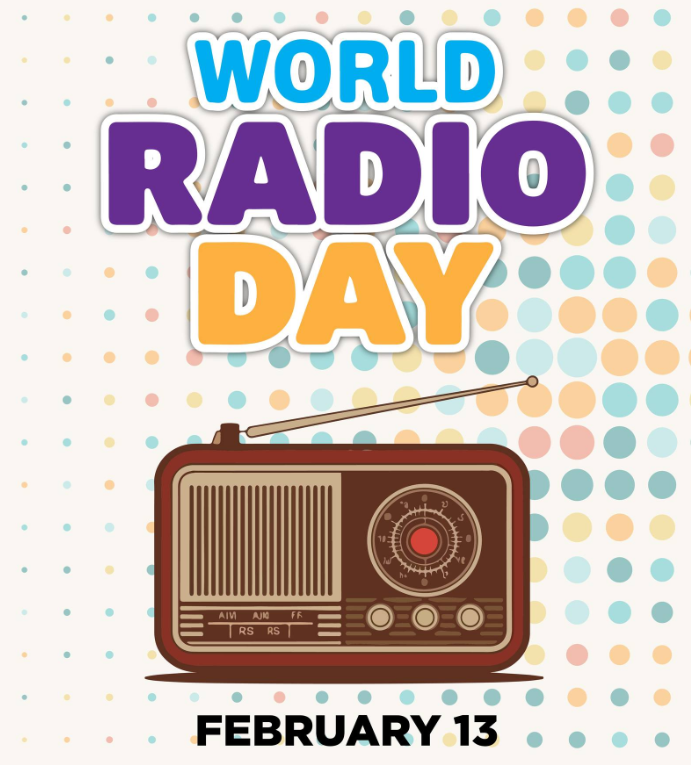
Every year on 13 February, World Radio Day celebrates the enduring power of radio as a medium of communication, storytelling and education. The date marks a historic milestone, as United Nations Radio aired its very first broadcast on 13 February 1946, symbolising radio’s ability to connect people across borders and cultures. Even in today’s digital-first world, radio remains a trusted source of information, imagination and learning. For families across India, World Radio Day highlights how simple audio storytelling and spoken communication continue to shape listening skills, language development, curiosity and critical thinking in children of all age groups.
- Radio was pioneered in the late 19th century through the scientific work of innovators such as Guglielmo Marconi, who successfully demonstrated wireless communication using electromagnetic waves.
- The original purpose of radio was to enable long-distance communication without physical connections, revolutionising how information could travel across regions and borders.
- From a scientific perspective, radio functions by converting sound waves into electromagnetic signals, which are transmitted through the air.
- These signals are then received and reconverted into sound by a radio receiver, allowing voices and music to be heard at a distance.
- This breakthrough laid the foundation for modern communication systems, including broadcasting, telecommunications and digital audio technologies.