
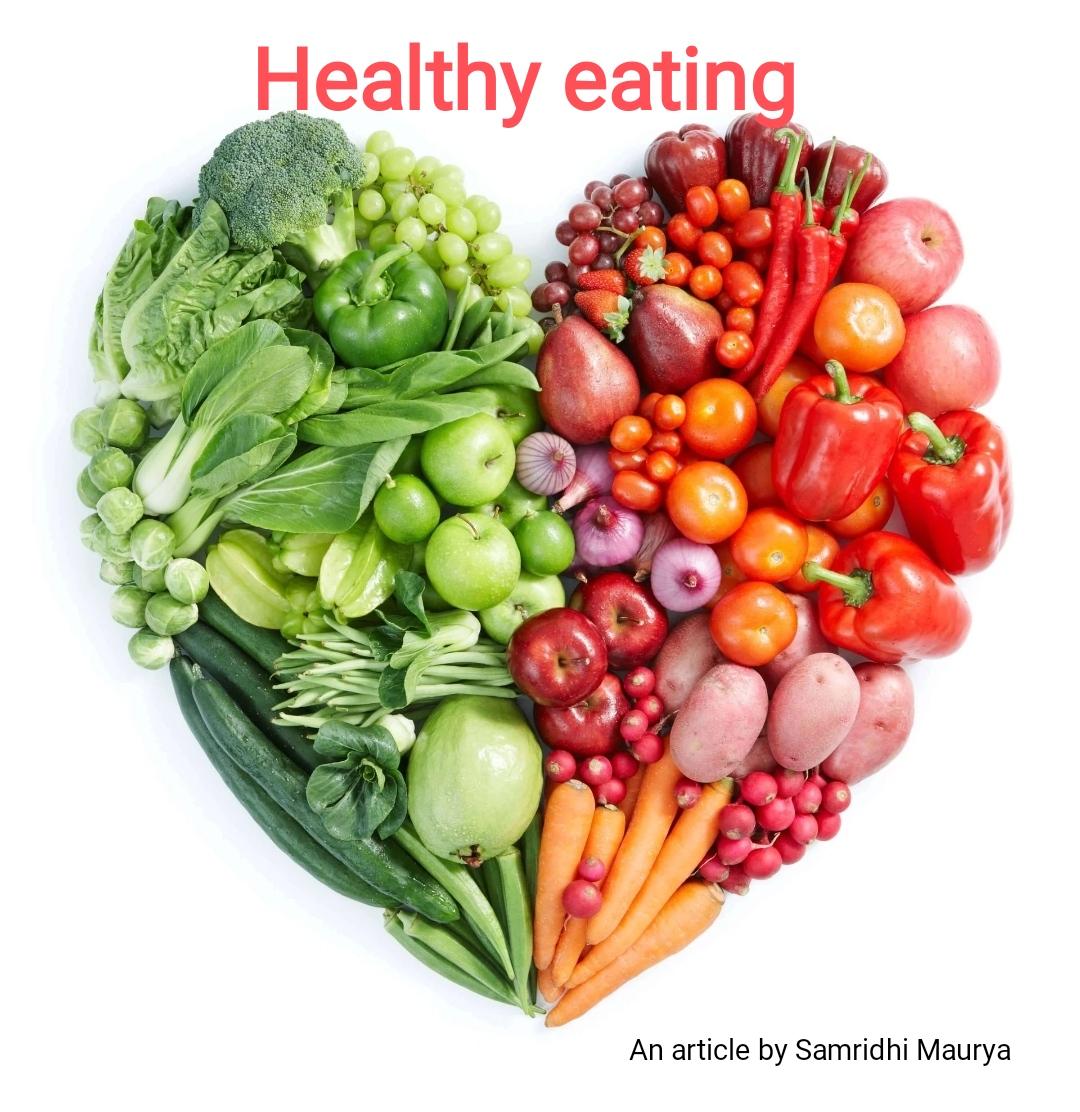
A healthy diet provides essential nutrients, maintains good health, and helps prevent chronic diseases such as heart disease, diabetes, and cancer. It emphasizes a variety of whole foods while limiting intake of processed items, sugar, and unhealthy fats.
Key Principles of Healthy Eating
A balanced diet should include the right proportions of various food groups.
Fruits and Vegetables: Aim for at least five portions (400g) per day. They are excellent sources of vitamins, minerals, fibre, and antioxidants, which can lower blood pressure and reduce the risk of many diseases.
High-fibre Starchy Foods: Base meals around whole grains like brown rice, whole wheat bread, oats, millet, or potatoes. These provide energy and fibre, promoting satiety and healthy digestion.
Protein Sources: Include lean protein from sources like beans, pulses, fish, eggs, and lean meats. Oily fish, such as salmon and trout, is particularly beneficial for heart health due to its omega-3 fatty acids.
Dairy or Alternatives: Incorporate milk, yoghurt, cheese, or fortified plant-based alternatives for calcium to maintain strong bones and teeth.
Healthy Fats: Use unsaturated fats found in plant-based oils (like olive, sunflower, or canola oil), nuts, and avocados instead of saturated and trans fats (found in butter, ghee, and processed baked goods).
Hydration: Drink plenty of water throughout the day to support metabolism and energy levels.
Foods to Limit or Avoid
To prevent long-term health issues, it is important to limit the intake of certain foods.
Sugars: Limit the consumption of free sugars (those added to food and drinks, as well as those in honey, syrups, and fruit juices) to less than 10% of total energy intake. Opt for fresh fruit instead of sugary snacks, candies, and soft drinks.
Salt: Keep salt intake to less than 5g per day (about one teaspoon) to help prevent hypertension. Most salt intake comes from processed foods, so choosing products with lower sodium content and limiting the use of high-sodium condiments is key.
Processed Meats: Limit red meat and avoid processed meats, which have been linked to an increased risk of high cholesterol, heart disease, and certain cancers.
Benefits of Healthy Eating
Adopting healthy eating habits offers numerous advantages beyond disease prevention.
Improved Mood and Energy: Nutritious foods can boost mood and provide sustained energy throughout the day, while unhealthy options often lead to sluggishness and fatigue.
Weight Management: A diet rich in fibre and nutrients from whole foods helps manage appetite and maintain a healthy weight.
Better Brain Function: Essential micronutrients and healthy fats like omega-3 fatty acids support cognition and may lower the risk of cognitive decline.
Stronger Immune System: Good nutrition ensures the body has the vitamins and minerals needed to support immune function and fight off illness effectively.
Making small, consistent changes towards a balanced diet is a key investment in long-term health and well-being. For practical planning, resources like the WHO recommendations or information on diets like DASH or Mediterranean can be helpful.
Thankyou for reading ☺️
I hope you like it