
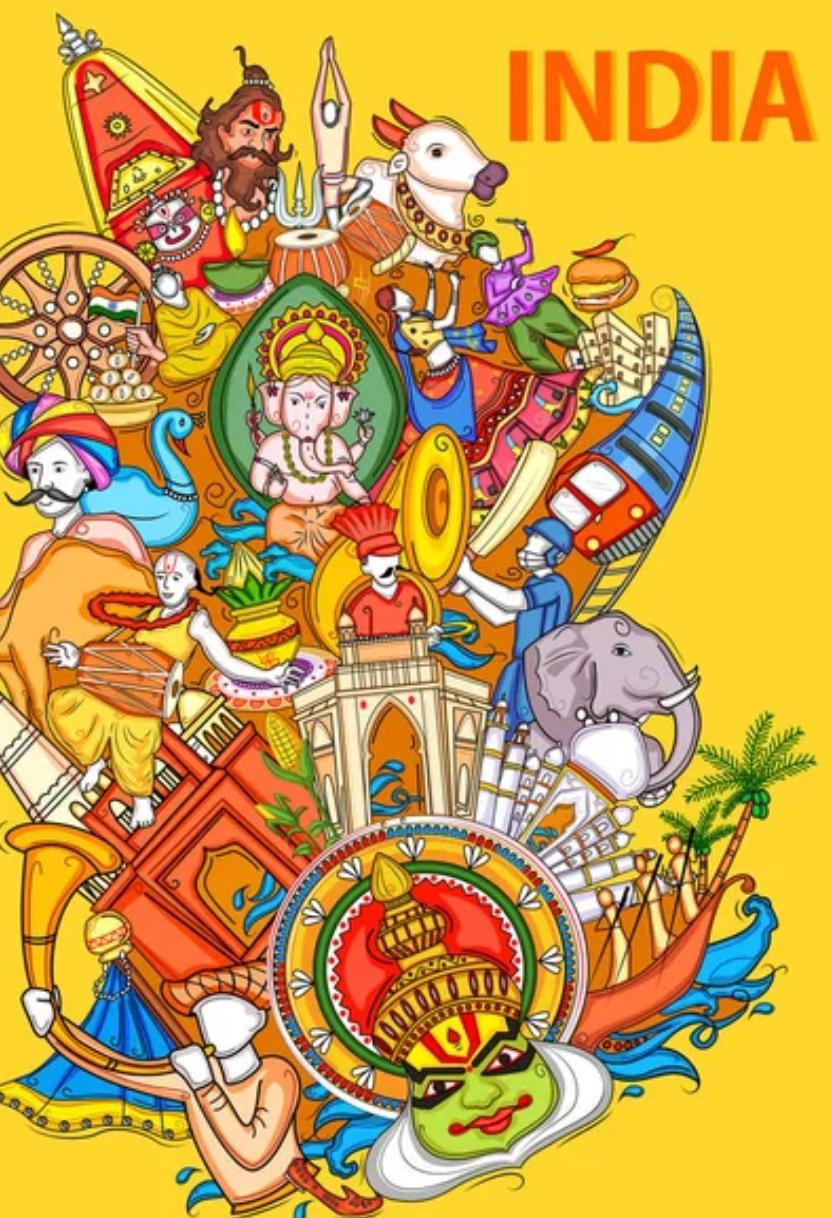
Indian literature has a rich and diverse history spanning thousands of years, with its roots in ancient epics like the Ramayana and Mahabharata. These texts not only showcased the literary prowess of ancient Indian writers but also explored complex themes and philosophies that continue to resonate with readers today.
The classical period saw the emergence of great poets and writers like Kalidasa, Amir Khusro, and Kabir, who contributed significantly to the country's literary heritage. Their works reflected the social, cultural, and philosophical landscape of their times.
The arrival of British colonialism brought significant changes to Indian literature, with writers like Raja Ram Mohan Roy and Swami Vivekananda using literature as a tool for social reform. The Indian Renaissance saw a surge in literary output, with writers like Bankim Chandra Chattopadhyay and Rabindranath Tagore exploring themes of nationalism, identity, and social change.
The post-independence era saw the emergence of writers like Mulk Raj Anand, R.K. Narayan, and Salman Rushdie, who explored themes of identity, culture, and globalization. Contemporary Indian literature is characterized by a diverse range of voices, styles, and themes, with writers like Arundhati Roy, Jhumpa Lahiri, and Kiran Desai gaining international acclaim.