
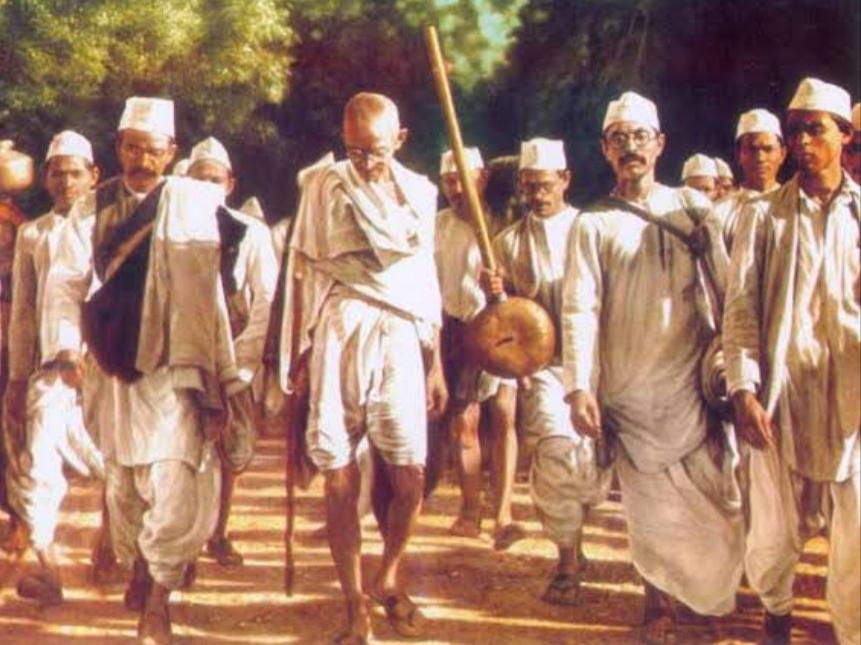
Indian nationalism was a complex and multifaceted movement that emerged in the 19th century, driven by the desire for independence from British colonial rule. The movement was shaped by numerous key figures and events that played a significant role in shaping India's struggle for freedom.
From the early leaders like Raja Ram Mohan Roy and Swami Vivekananda to the iconic figures of Mahatma Gandhi and Jawaharlal Nehru, Indian nationalism was characterized by diverse perspectives and approaches.
The Indian Rebellion of 1857, the Swadeshi Movement, and the Quit India Movement were some of the pivotal events that marked the country's journey towards independence.
The Indian National Congress, founded in 1885, played a crucial role in the country's struggle for freedom, with leaders like Tilak, Lala Lajpat Rai, and Subhas Chandra Bose contributing to its growth.