
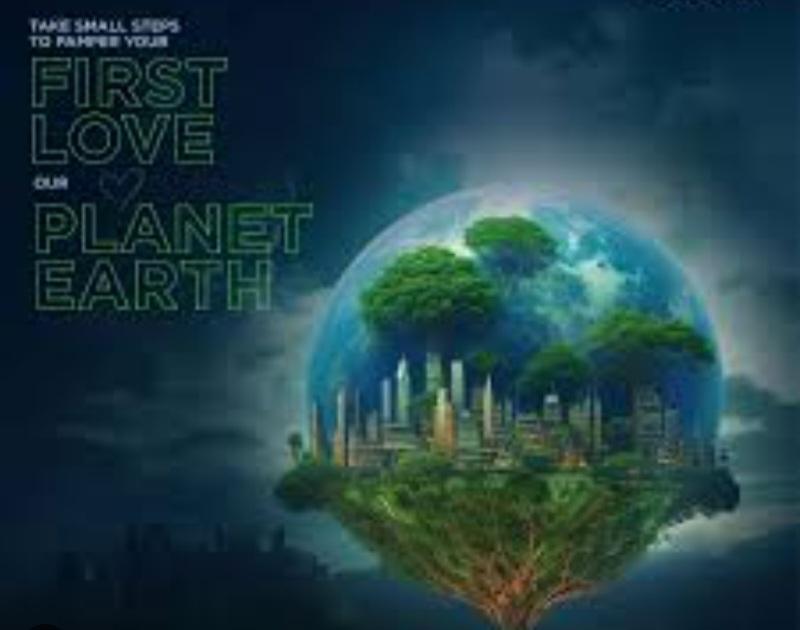
The Power of Us: Coming Together for Earth
In an era defined by overwhelming environmental challenges, the most potent resource we possess is not a new technology or a political treaty, but the simple, unassailable fact of our collective humanity. For too long, the narrative around climate change and ecological degradation has been one of impending doom, individual guilt, or insurmountable obstacles. While the threats are real and urgent, a new and powerful story is emerging – one where billions of hands, minds, and hearts unite to forge a sustainable future for our shared home.
The Indisputable Call for Unity
The planet does not recognize borders, ideologies, or economic divisions. Pollution drifts across continents, rising sea levels threaten coastal communities globally, and the loss of biodiversity weakens the very ecosystems that sustain us all. These are not isolated problems for individual nations or specific groups; they are universal challenges demanding a universal response. The science is clear: we are facing a pivotal moment, and our ability to transcend differences and work in concert will determine the fate of generations to come.
From Individual Action to Collective Impact
While individual choices – recycling, reducing consumption, conserving energy – are vital and form the bedrock of sustainable living, they are amplified exponentially when woven into a larger fabric of collective action. Imagine the impact when neighborhoods organize community gardens, when cities invest in renewable energy infrastructure, when corporations commit to ethical supply chains, and when governments prioritize environmental protection over short-term gains. Each individual act, when aggregated, transforms into a powerful wave of change. It's about shifting from a mindset of "what can I do?" to "what can we achieve together?"
Bridging Divides for a Common Cause
The path to a sustainable future requires an unprecedented level of collaboration. It means bringing together scientists and policymakers, activists and industrialists, indigenous communities and urban planners. It means fostering dialogues that listen to diverse perspectives, understanding that different cultures hold unique wisdom about living harmoniously with nature.