
Introduction
Did you know that in January 2025, the global average temperature was 1.75°C above pre-industrial levels? This marks the 18th month in the past 19 to exceed 1.5°C above pre-industrial levels, highlighting the urgent need for climate action. Our daily actions—what we consume, how we travel, how we dispose of waste—are not just personal choices; they send ripples across the globe, affecting ecosystems, communities, and the climate. Understanding these impacts is crucial as we strive for a sustainable future.
Human Actions and Their Environmental Impact
1. Pollution
Plastic pollution continues to be a significant environmental challenge. In 2025, global plastic production reached approximately 445 million tonnes, with a substantial portion ending up in our oceans. This plastic waste harms marine life, disrupts ecosystems, and contributes to greenhouse gas emissions.
2. Resource Use
Water scarcity affects billions worldwide. Despite progress, 2.2 billion people still lack safely managed drinking water services, and 3.4 billion lack safely managed sanitation services. Overconsumption and pollution exacerbate these issues, leading to ecological imbalances and health risks.

3. Deforestation
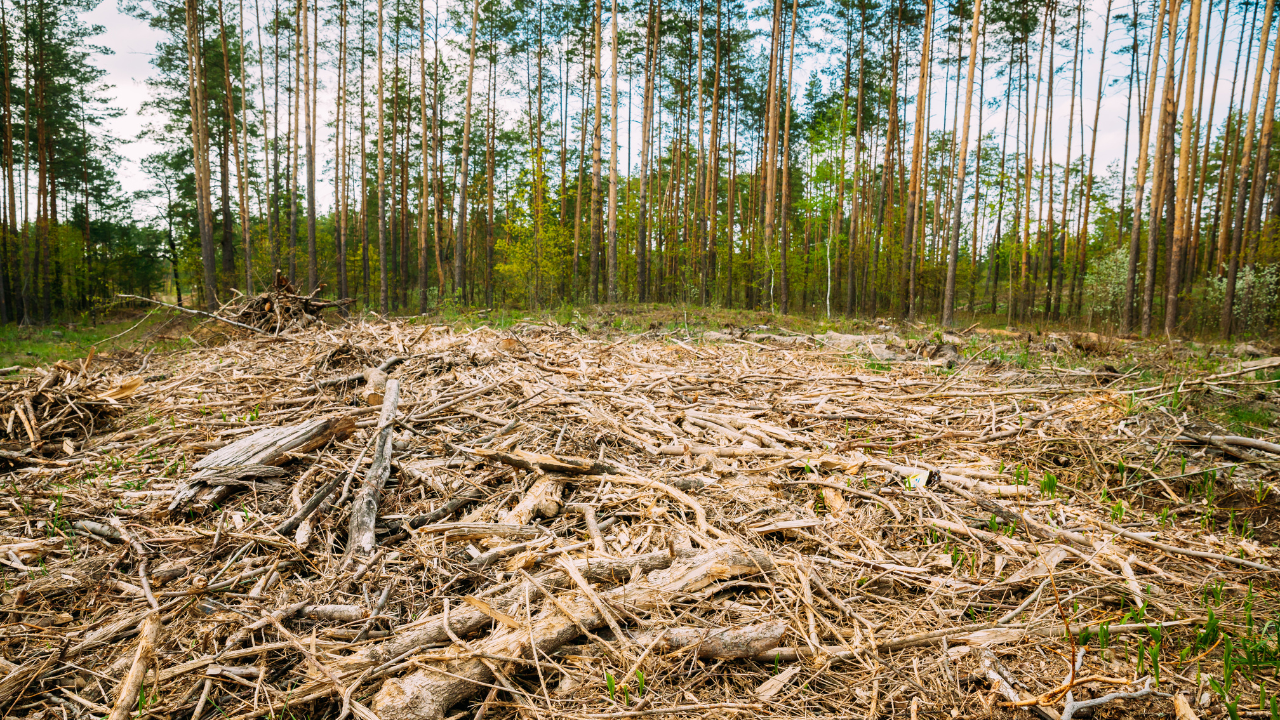
Forests are vital for biodiversity and carbon storage. However, deforestation remains a pressing issue. In 2025, the world lost approximately 10 million hectares of forest annually, primarily due to agricultural expansion. This loss threatens wildlife habitats and accelerates climate change.
4. Climate Change Link
Human activities, such as burning fossil fuels and deforestation, have led to increased greenhouse gas emissions. In 2024, the Earth experienced record-breaking temperatures, highlighting the urgency of addressing climate change.
Examples of Ripple Effects
-
Plastic Waste: A single plastic bottle discarded improperly can travel through waterways, eventually reaching the ocean, where it can harm marine life and enter the food chain.
-
Water Usage: Excessive water consumption in one region can lower groundwater levels, harming local plants, animals, and even human communities.
-
Deforestation: Clearing forests for agriculture not only destroys habitats but also releases stored carbon dioxide, contributing to global warming.
Reflection
The ripple effect reminds us that our daily choices are not isolated. Each action carries a consequence, whether we see it immediately or not. Reflecting on our habits—from energy use to waste disposal—can help us understand our role in shaping the planet. Awareness is the first step; action follows naturally when we realize the stakes.
Conclusion
Our choices, big or small, create waves that influence the health of the Earth. While it may seem overwhelming, understanding the ripple effect empowers us to make better decisions. If each of us becomes mindful of how our actions affect the environment, we can work together to reduce harm and build a more sustainable future. After all, every ripple matters.