
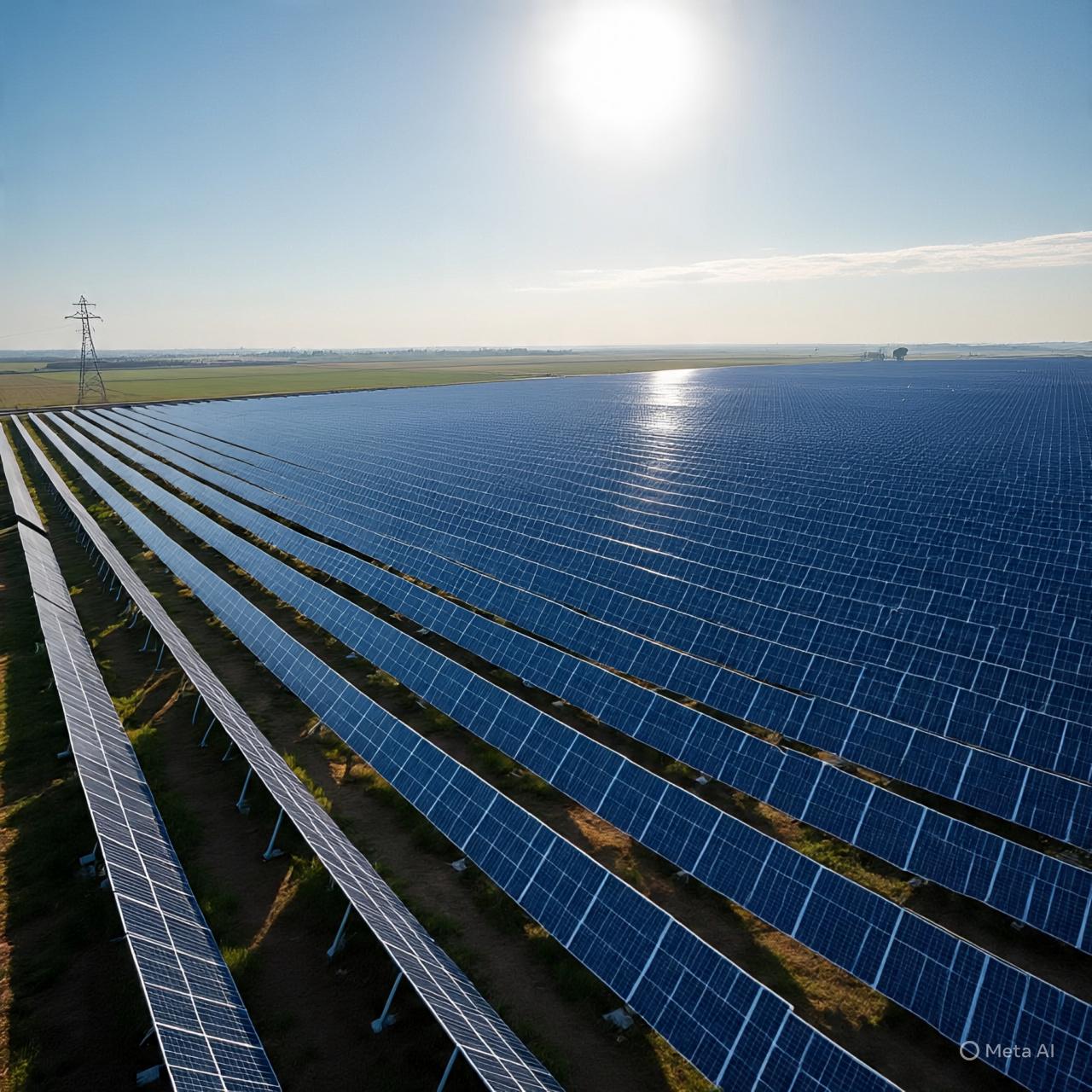
Solar energy is one of the most promising and rapidly growing sources of renewable energy in the world today. Harnessing the power of the sun to generate electricity or heat has been a concept explored for centuries, but modern technology has brought solar energy into the mainstream as a viable alternative to fossil fuels. Solar panels, made up of photovoltaic cells, convert sunlight directly into electricity through a process known as the photovoltaic effect. This clean and abundant source of energy is being increasingly adopted for residential, commercial, and industrial applications.
The benefits of solar energy are multifaceted. For one, it's a renewable resource, meaning it's sustainable and won't run out like fossil fuels. Solar energy is also clean, producing no greenhouse gas emissions or pollution during operation, which makes it an attractive option for reducing carbon footprints and combating climate change. In many parts of the world, the cost of solar energy has decreased dramatically over the years, making it more competitive with traditional energy sources. Advances in technology have also improved the efficiency of solar panels, allowing for more energy to be generated from a smaller area.
Solar energy applications are diverse. From rooftop installations on homes and businesses to massive solar farms that feed electricity into the grid, the ways in which solar power is being utilized are expanding. Solar thermal systems use sunlight to heat water or air for use in buildings or for generating electricity. In remote or off-grid locations, solar power combined with battery storage can provide reliable electricity where traditional infrastructure is lacking.
Despite its advantages, solar energy faces challenges. The intermittent nature of sunlight—due to day-night cycles, weather conditions, and seasonal changes—means that energy storage solutions are critical for ensuring a stable supply of electricity. The manufacture of solar panels requires materials and energy, and the disposal of panels at the end of their life cycle poses environmental considerations. However, ongoing research and development are addressing these issues, improving efficiency, reducing costs, and enhancing the sustainability of solar technology.
As the world shifts toward more sustainable energy solutions, solar energy is poised to play a significant role. Governments, corporations, and individuals are investing in solar technology, driving innovation and deployment. With its potential to reduce reliance on fossil fuels and lower emissions, solar energy is a key player in the transition to a cleaner energy future. The growth of solar energy capacity worldwide is a testament to its increasing importance in the global energy mix, and as technology continues to advance, the possibilities for solar energy will only expand further.
How's that? Did you want me to add anything or adjust something in this passage about solar energy?