
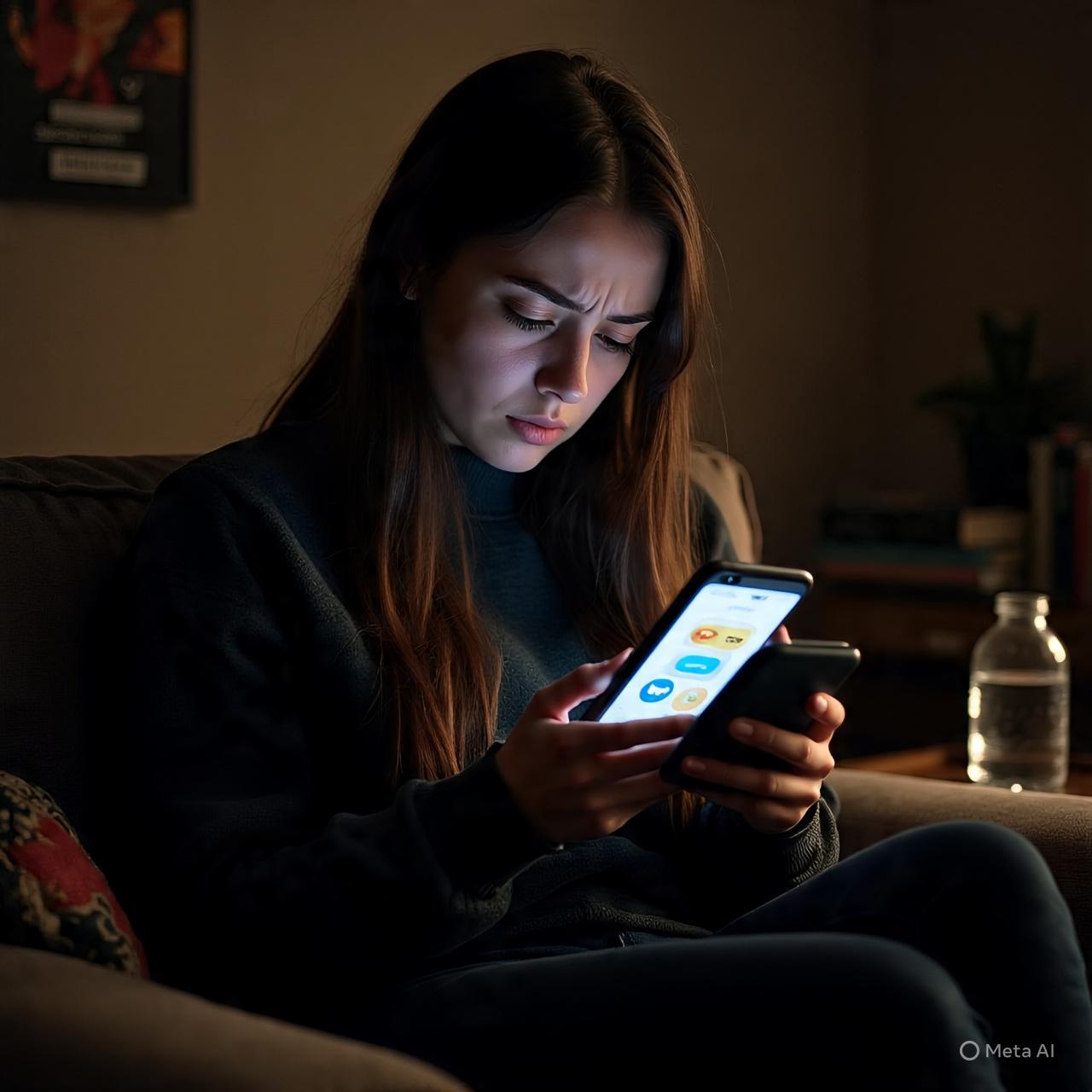
The Dark Side of Social Media: Understanding Its Harms
Social media has become an integral part of our lives, but its impact on our mental and physical well-being cannot be ignored. Research has shown that excessive social media use can lead to a range of negative effects, from anxiety and depression to sleep deprivation and decreased productivity.
Mental Health Concerns
- *Anxiety and Depression*: Social media can create unrealistic expectations and promote consumerism, leading to feelings of inadequacy and low self-esteem. Studies have linked social media use to increased symptoms of anxiety and depression in teenagers and young adults.
- *Sleep Deprivation*: Exposure to screens and the constant notifications from social media can disrupt sleep patterns, leading to sleep deprivation and fatigue.
- *Addiction*: Social media can be addictive, with many users experiencing withdrawal symptoms when they are unable to access their accounts.
Social Harms
- *Cyberbullying*: Social media can be a breeding ground for bullying and harassment, which can have serious consequences for mental health.
- *Online Harassment*: Persistent unwanted communication can lead to emotional distress and even physical harm.
- *Misinformation*: Social media can spread false information quickly, leading to misunderstandings and poor decisions ¹.
Physical Health Concerns
- *Sedentary Lifestyle*: Excessive social media use has been linked to a sedentary lifestyle, which can contribute to a range of health problems, including obesity and cardiovascular disease.
- *Decreased Productivity*: Spending too much time on social media can reduce productivity and impact daily responsibilities.
Mitigating the Harms
- *Set Time Limits*: Using tools to monitor and limit time on social media can help reduce excessive consumption.
- *Encourage Active Use*: Participating in meaningful interactions and avoiding passive consumption of content can minimize negative effects.
- *Balance Activities*: Combining time online with physical, social, and recreational activities contributes to a healthier lifestyle.
- *Promote Digital Education*: Teaching students to identify and manage the risks associated with social media use is key to their well-being ².