
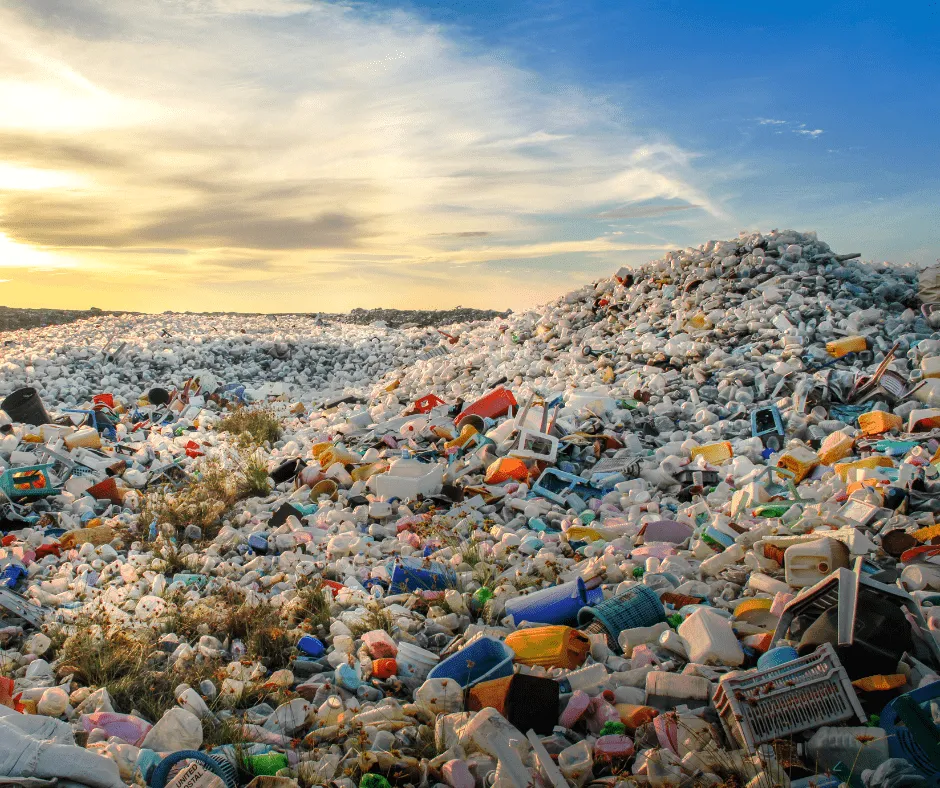
Plastic is the general common term for a wide range of synthetic or semi-synthetic materials used in a huge and growing range of products in our everyday lives, from disposable water bottles and packaging to toys, textiles and hundreds of other common items.
Although plastics have become ubiquitous, they are a threat to both human and environmental health. Plastics are made of chemicals sourced from fossil fuels, including natural gas and crude oil. Worldwide, more than 300 million tons of plastic is produced every year, and half of this is single-use plastics (e.g. water and soda bottles, plastic grocery bags, product packaging, straws, coffee cups, and more). Producing these plastics emits vast amounts of greenhouse gases that contribute to climate change and toxic chemicals that threaten our health.
From production to disposal, plastics wreak havoc on human, plant, and animal health and cause immense amounts of waste in our ecosystems, clogging our land, air, and waterways. Plastic pollution in particular poses a serious threat to all life on earth because of the toxic nature of the chemicals used and created during the production process and throughout the life cycle. Recent research reveals plastics are able to enter into the human bloodstream, permanently residing in our bodies until the day we die.