
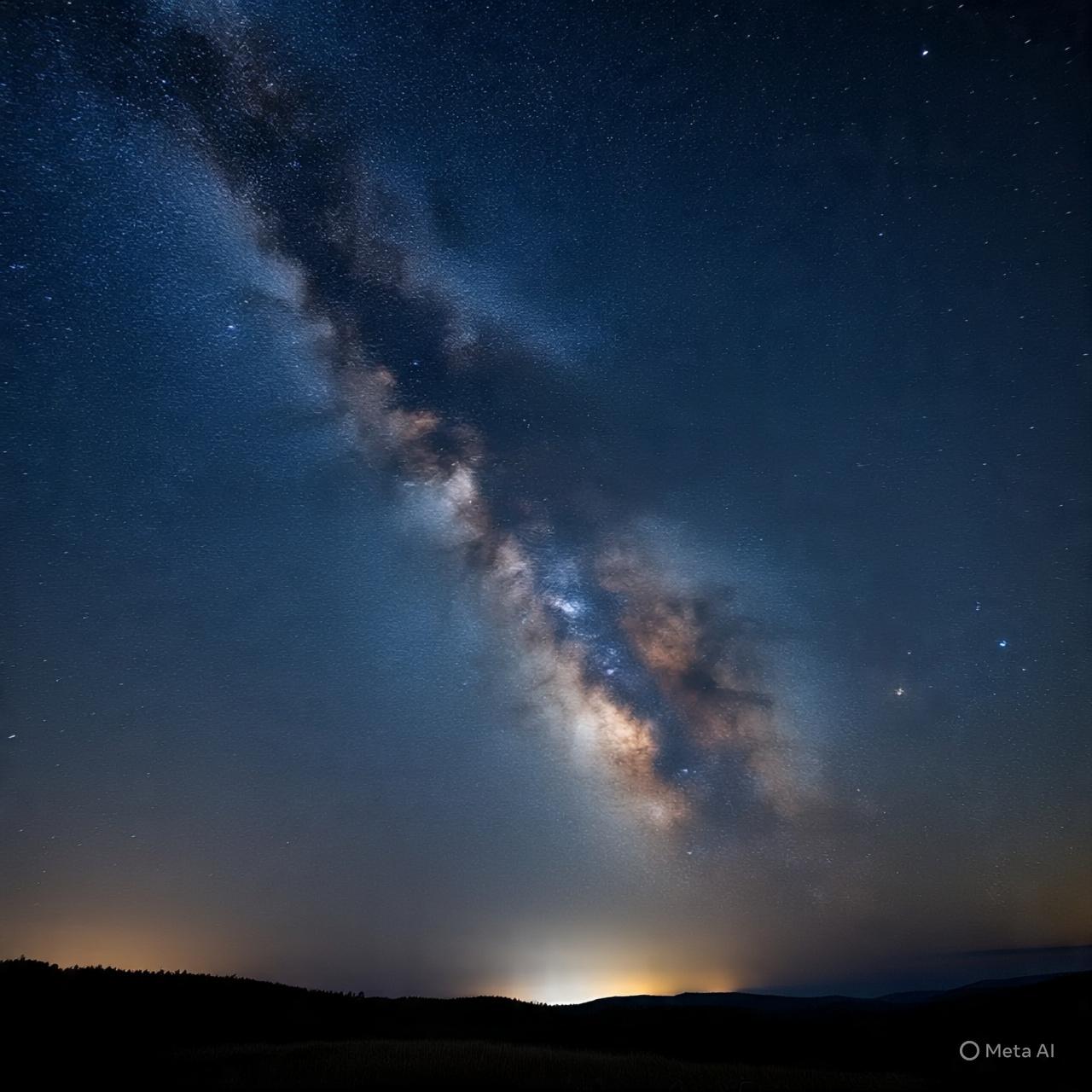
Stars are massive balls of hot, glowing gas that light up the night sky. They are primarily composed of hydrogen and helium, and their intense heat and pressure fuel nuclear reactions in their cores. These reactions release enormous amounts of energy, which we perceive as light and heat.
*Life Cycle of Stars*
Stars are born in vast clouds of gas and dust called nebulae. As these clouds collapse under gravity, the material heats up, eventually igniting nuclear fusion. Stars then follow different paths based on their mass. Smaller stars, like our Sun, burn steadily for billions of years before expanding into red giants and eventually becoming white dwarfs. More massive stars undergo supernova explosions, leaving behind neutron stars or black holes.
*Types of Stars*
Stars come in various sizes and temperatures. Red stars are cooler, while blue stars are hotter. Some stars pulsate, changing brightness over time, while others are part of binary or multiple star systems, orbiting each other. Stars also differ in brightness, with some being visible to the naked eye and others requiring telescopes to detect.
*Importance of Stars*
Stars are fundamental to the universe. They produce the heavy elements necessary for life through nucleosynthesis. Stars also provide the light and warmth that sustain life on planets. In addition, stars serve as celestial markers, helping humans navigate and understand the vastness of space.
*Stellar Phenomena*
Some stars exhibit fascinating phenomena. Variable stars change in brightness, often due to eclipses or intrinsic changes. Supernovae are explosive events that briefly outshine entire galaxies. Black holes, formed from the remnants of massive stars, warp space-time and capture everything that ventures too close.
*Observing Stars*
Humans have observed stars for millennia, using them for navigation, agriculture, and spiritual practices. Today, telescopes and space missions allow us to study stars in greater detail, revealing their composition, temperature, and distance. Amateur astronomers continue to contribute to star research, tracking variable stars and discovering new celestial objects.
*Stars in Culture*
Stars have inspired countless myths, legends, and works of art. They symbolize hope, guidance, and the mysteries of the universe. From ancient civilizations to modern times, stars have been a source of wonder and exploration.
In summary, stars are not just points of light in the sky—they are dynamic, evolving bodies that shape the universe and our understanding of it. Their study continues to expand our knowledge of the cosmos and our place within it.