
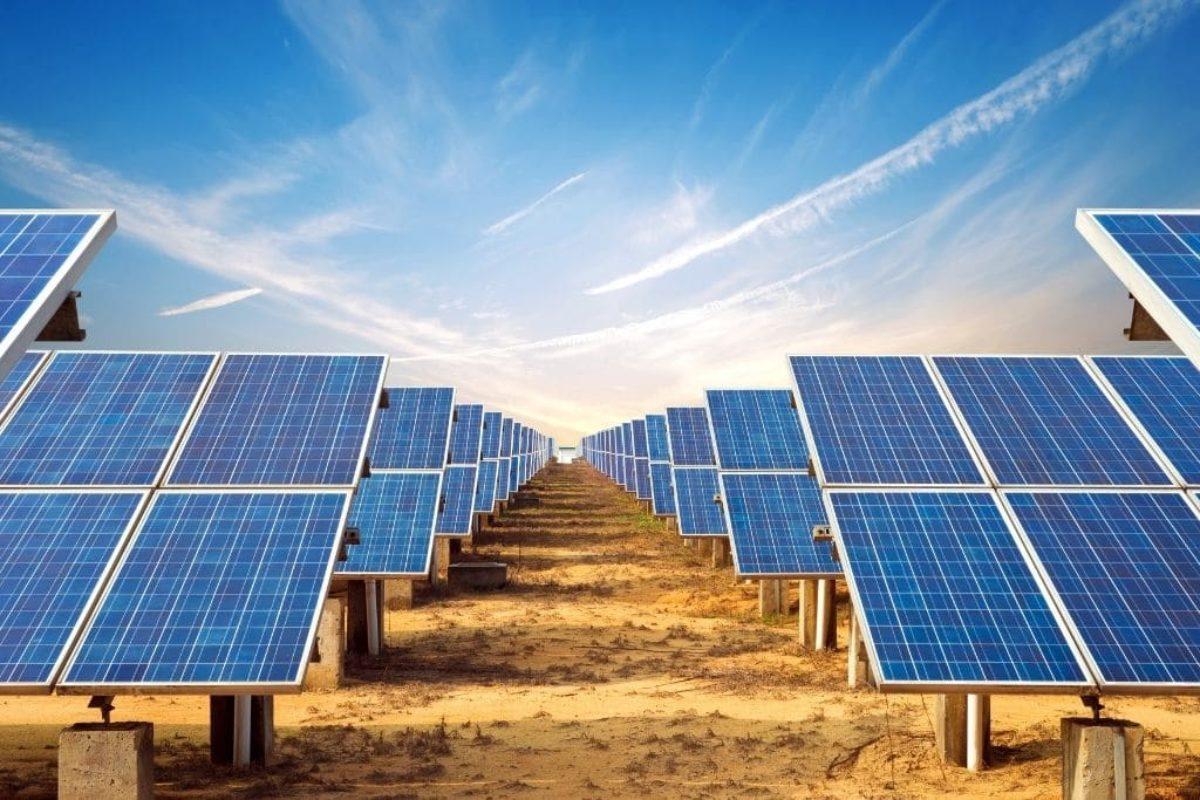
Solar energy is the energy derived from the Sun's radiation. It is a renewable and sustainable source of power that can be converted into electricity or heat for various applications.
🔋 How Solar Energy Works
Solar energy can be harnessed using two primary technologies:
-
Photovoltaic (PV) Systems: These systems convert sunlight directly into electricity using semiconductor materials. PV panels are commonly installed on rooftops or in solar farms.
-
Concentrated Solar Power (CSP): CSP systems use mirrors or lenses to concentrate sunlight onto a small area, generating heat that can be used to produce electricity.
✅ Advantages of Solar Energy
-
Renewable and Abundant: Solar energy is inexhaustible and available in most parts of the world.
-
Environmentally Friendly: It produces no greenhouse gas emissions during operation, helping to combat climate change.
-
Reduces Electricity Bills: By generating your own electricity, you can lower your energy costs.
-
Low Maintenance: Solar panels require minimal maintenance and have long lifespans.
⚠️ Challenges of Solar Energy
-
Intermittency: Solar energy production depends on sunlight, which is not constant. Energy storage solutions are needed to ensure a steady supply.
-
High Initial Costs: The installation of solar systems can be expensive, though costs have been decreasing over time.
-
Space Requirements: Large-scale solar installations require significant land area.
🌍 Global Trends
-
Growth in Installations: The first half of 2025 saw a 64% increase in global solar installations compared to the previous year, with 380 GW of new capacity added.
-
Policy Support: Countries like India are reducing taxes on solar equipment to encourage adoption and lower clean energy tariffs .
🔮 The Future of Solar Energy
Advancements in technology are improving the efficiency and affordability of solar energy systems. Innovations such as bio-based UV filters using red onion extract are being explored to enhance the sustainability of solar panels.