
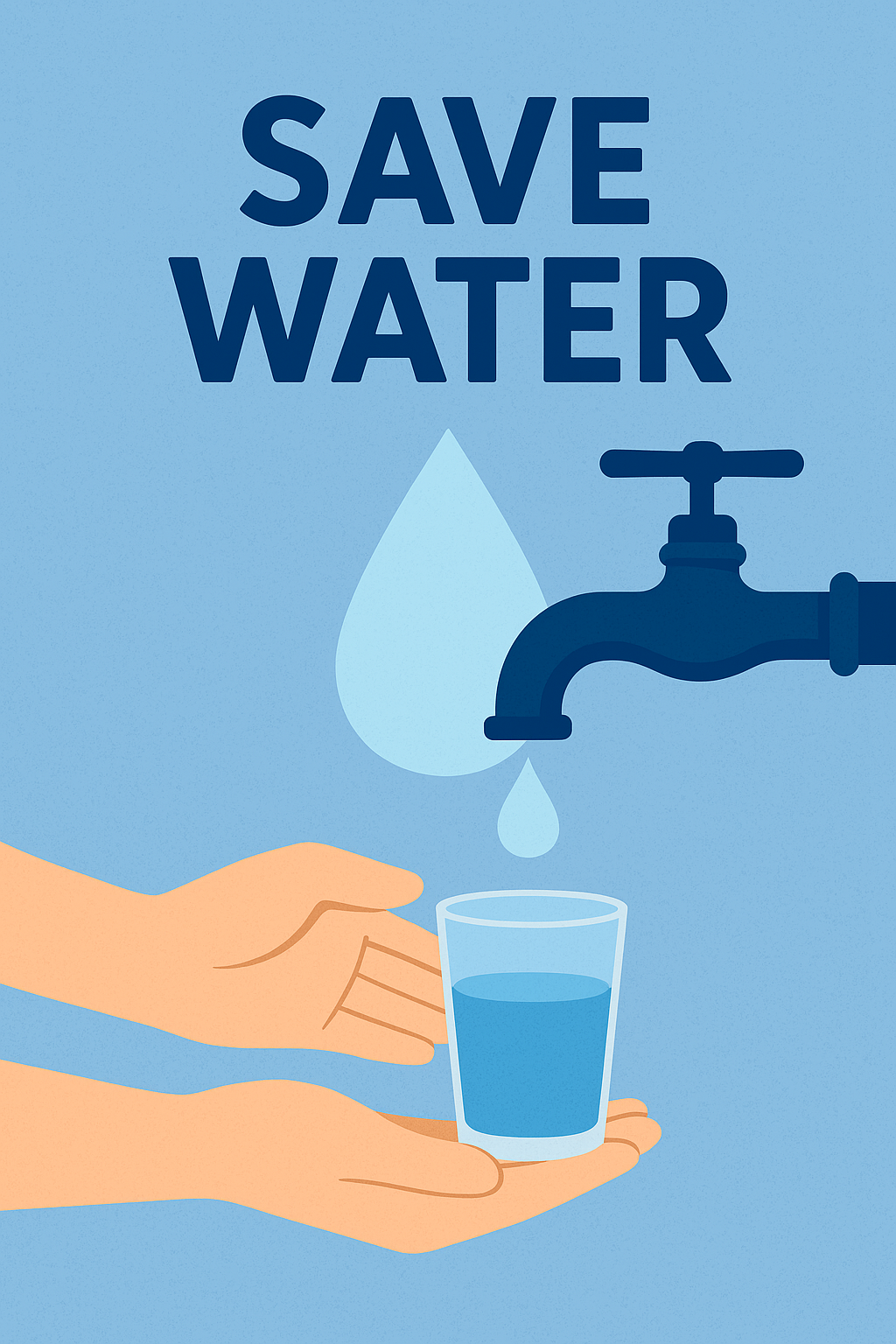
Water is one of the most valuable resources on Earth, yet it is often taken for granted. With rising populations, climate change, and increasing demand, conserving water has become not just important but urgent. Saving water is not only about reducing our bills; it is about ensuring that future generations have access to this life-giving resource.
One of the simplest ways to save water is by fixing leaks. A dripping tap or a running toilet may seem minor, but together they can waste thousands of liters every year. Repairing them promptly prevents silent but significant losses. Another smart step is switching to low-flow taps, showerheads, and modern toilets, which provide the same efficiency while using far less water.
Daily habits also play a huge role. Taking shorter showers, turning off the tap while brushing teeth, and running washing machines or dishwashers only with full loads are small adjustments that can lead to big savings. Collecting leftover water from washing vegetables or waiting for the shower to heat up can be reused for watering plants or cleaning.
Gardening practices matter too. Watering plants early in the morning or evening prevents evaporation, while using drip irrigation ensures that water reaches the roots directly. Rainwater harvesting is another sustainable way to collect and reuse nature’s gift.
Beyond households, saving water means rethinking our lifestyle choices. For instance, reducing the consumption of water-intensive products like fast fashion or beef can lower our overall water footprint. Communities and cities also play a part by promoting awareness, recycling wastewater, and using innovative technologies to manage supplies.
In the end, water conservation is not a one-time task—it is a habit. Each action, however small, contributes to protecting this precious resource. As the saying goes, “Every drop counts”. By being mindful today, we ensure that tomorrow’s world is not left thirsty.