
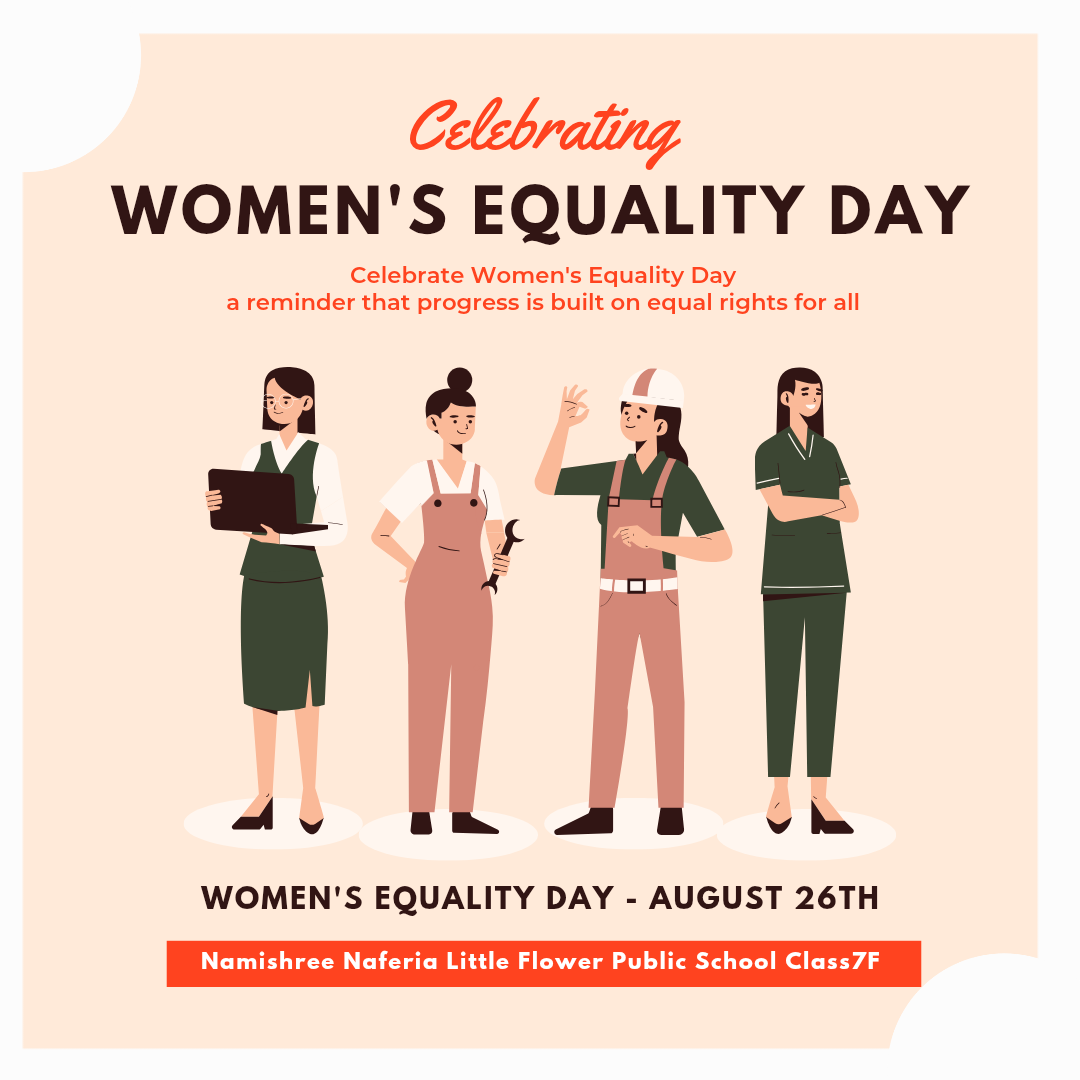
A Century of Progress: Celebrating Women's Equality Day
Women's Equality Day, celebrated annually on August 26, marks a pivotal moment in American history. It commemorates the 1920 certification of the 19th Amendment to the U.S. Constitution, which granted women the right to vote. While this day is a celebration of a hard-won victory, it also serves as a crucial reminder of the ongoing fight for gender equality in all facets of life.
The Fight for Suffrage
The journey to the 19th Amendment was a long and arduous one, spanning over seven decades. The women's suffrage movement officially began with the Seneca Falls Convention in 1848, a groundbreaking event organized by pioneers like Elizabeth Cady Stanton and Lucretia Mott. Over the years, countless women and allies tirelessly campaigned through protests, parades, and civil disobedience. Prominent figures such as Susan B. Anthony and Ida B. Wells-Barnett dedicated their lives to the cause, facing ridicule and arrest for their activism. Their persistent efforts, along with the shifting political landscape during and after World War I, eventually led to the passage of the amendment. On August 18, 1920, Tennessee became the 36th state to ratify the amendment, securing its place in the Constitution. The formal certification by Secretary of State Bainbridge Colby on August 26, 1920, made it official.
From Suffrage to Equality
While the 19th Amendment was a monumental achievement, it was not the end of the struggle. Many women, particularly Black women and other women of color, continued to face barriers to voting for decades due to discriminatory practices and laws. In the 1970s, the women's liberation movement, led by figures like Bella Abzug and Betty Friedan, sought to expand the scope of the fight beyond the ballot box. In 1971, Representative Bella Abzug introduced a bill to Congress to officially designate August 26 as Women's Equality Day. The resolution, passed in 1973, not only honors the suffrage movement but also draws attention to the ongoing need for equal opportunities in education, employment, and other areas.
The Relevance Today
Today, Women's Equality Day serves as a powerful call to action. It prompts us to reflect on how far we have come while acknowledging the persistent challenges women face globally. Issues such as the gender pay gap, underrepresentation in leadership roles, and gender-based violence continue to highlight the work that remains. The day encourages us to advocate for inclusive policies, challenge gender biases, and celebrate the achievements of women across all sectors—from politics and science to sports and the arts.
Women's Equality Day is more than a historical commemoration; it is a promise to ourselves and to future generations that the pursuit of a just and equitable society is a continuous effort. It reminds us that true equality benefits everyone, creating a world where every individual, regardless of gender, has the opportunity to thrive.