
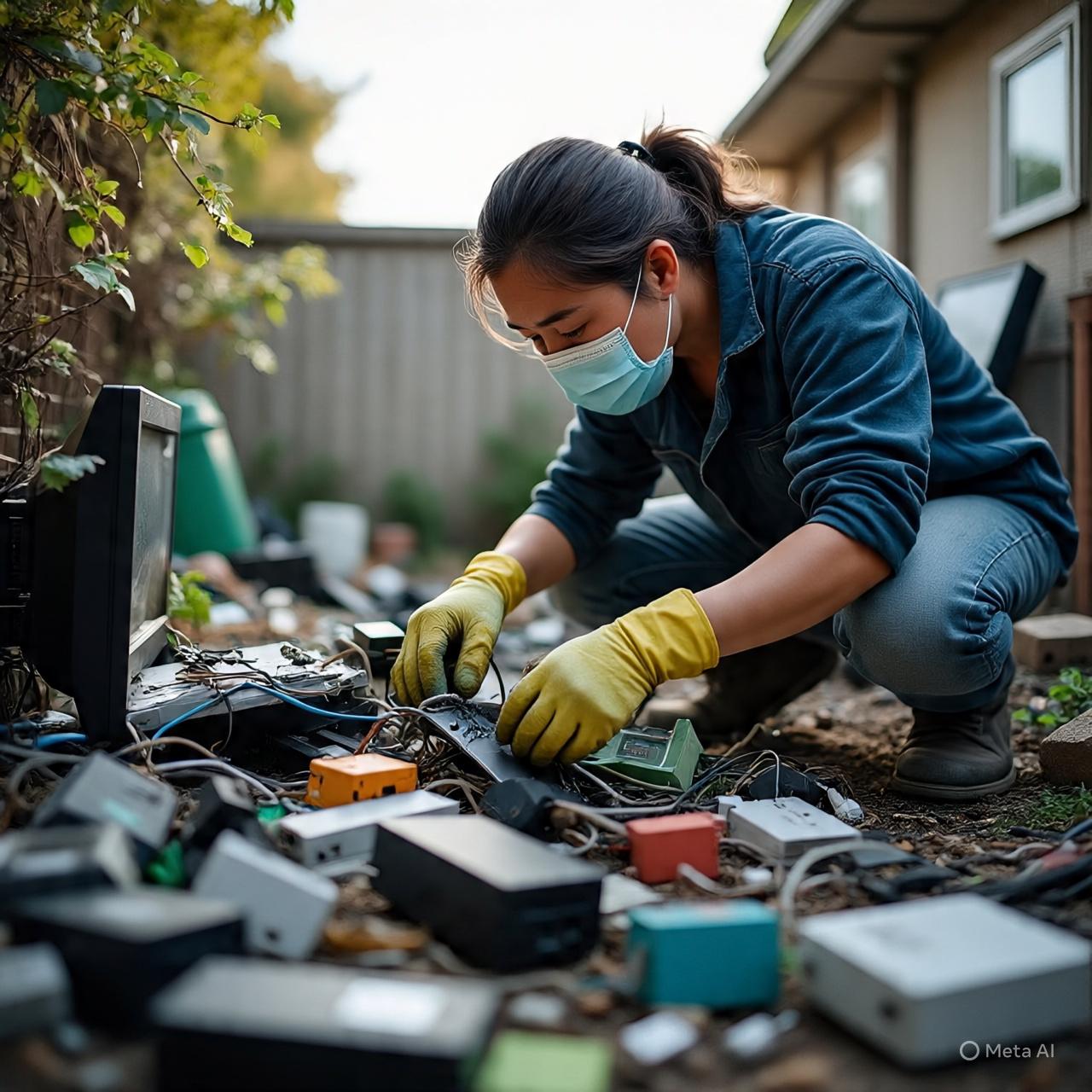
In today’s world, technology is advancing rapidly, and with it comes the challenge of managing electronic waste, also known as e-waste. Old computers, broken phones, damaged chargers, and other electronic gadgets often end up in dustbins, where they harm the environment. As students, we have an important role to play in solving this problem.
E-waste contains harmful chemicals like lead, mercury, and cadmium, which can pollute soil and water if not disposed of properly. At the same time, many valuable materials like copper, gold, and plastic can be reused if the waste is collected and recycled responsibly. This makes e-waste collection both an environmental duty and an opportunity to save resources.
Students can take the lead in creating awareness about e-waste management. We can organize collection drives in schools where students bring old gadgets from home and deposit them in special bins. These collected items can then be handed over to authorized recycling centers. Campaigns, posters, and talks in school assemblies can also motivate everyone to participate.
By taking small steps, such as avoiding throwing electronics into regular garbage and encouraging our families to recycle responsibly, we can make a big difference. As young citizens, our efforts in e-waste collection not only protect the environment but also inspire society to adopt sustainable practices.
In conclusion, collecting e-waste is not just about clearing out old devices; it is about shaping a cleaner, healthier, and greener future. If students actively contribute today, we can build a tomorrow where technology and nature exist in balance.