
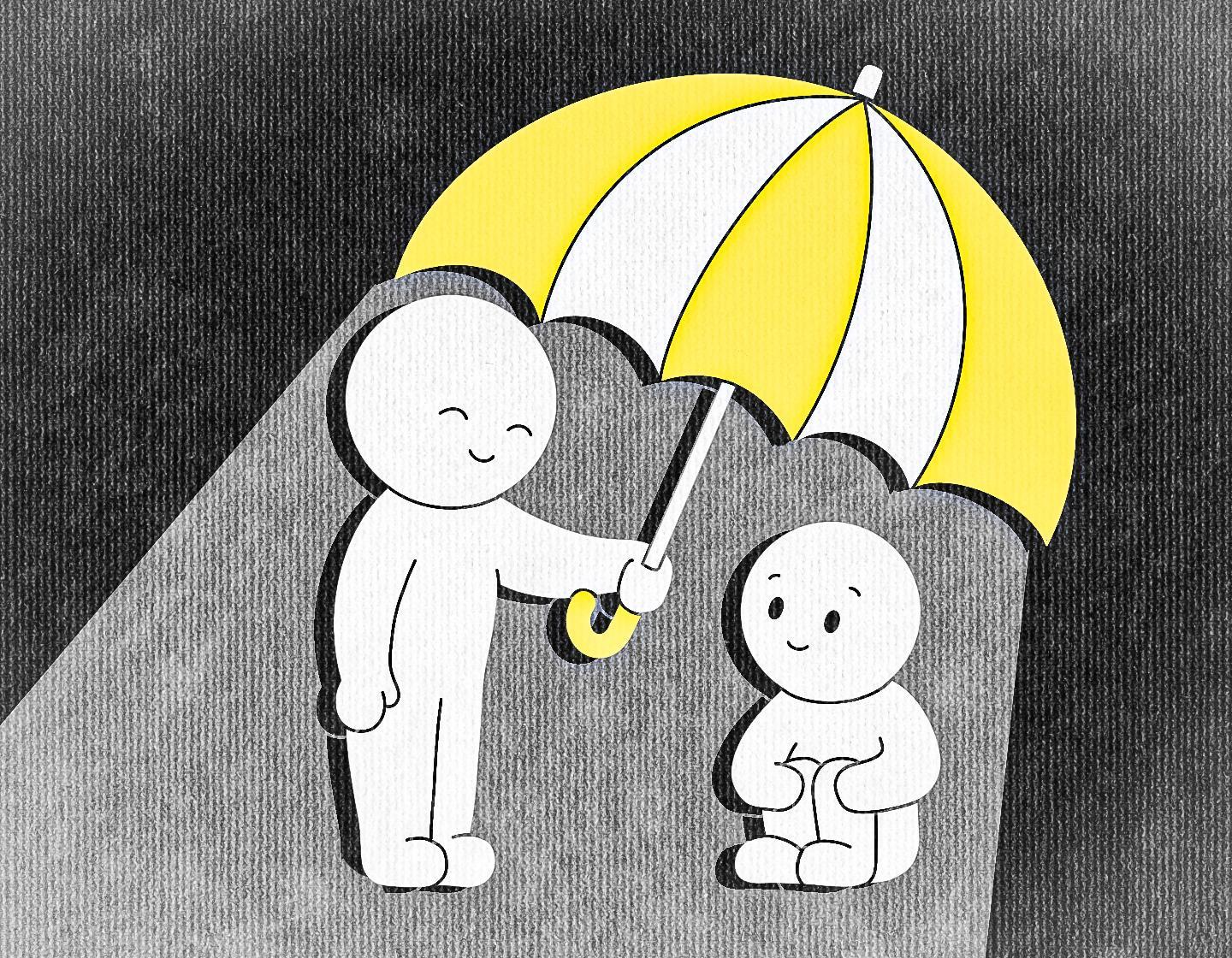
Kindness is a fundamental human virtue, and its importance extends to all aspects of life. In personal relationships, it strengthens bonds and creates a sense of trust and belonging.In the workplace, it can improve morale and productivity. In the broader community, acts of kindness can inspire others to pay it forward, creating a ripple effect of positivity. According to a website for schools, studies have shown that kindness can reduce stress and anxiety, improve mood, and even have positive effects on physical health.
Kindness manifests in various forms, from small gestures like holding a door open or offering a smile to more significant acts of service. It's about being mindful of others' needs and offering support, whether emotional or practical. It can be as simple as listening to someone in need, offering a helping hand, or offering words of encouragement. Even a small act of kindness can have a significant impact on someone's day.
Furthermore, kindness is not limited to human interactions.Extending kindness to animals and the environment is equally important. Caring for nature and showing compassion to animals demonstrates a holistic approach to kindness that recognizes the interconnectedness of all living beings.
In conclusion, kindness is a powerful force that can transform individuals and communities. By cultivating a culture of kindness, we can create a more compassionate, empathetic, and supportive world for ourselves and future generations. It is a virtue that, when practiced genuinely, has the power to make a lasting positive impact on everyone involved