
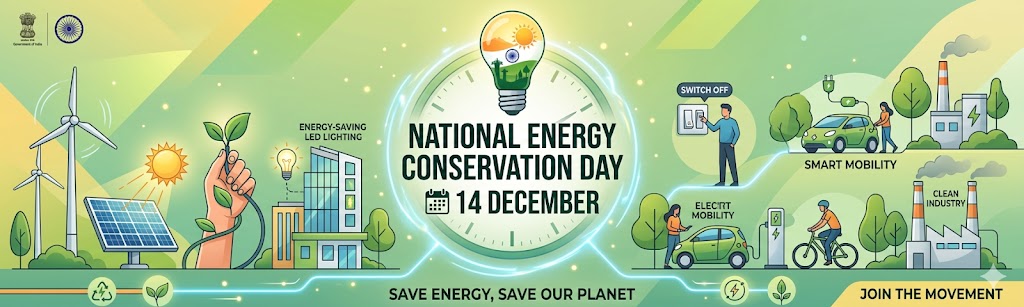
Observed on 14 December, National Energy Conservation Day highlights the critical importance of saving energy and using resources as efficiently as possible. As global energy demand continues to rise, this day serves as a vital reminder that conservation is not merely an optional lifestyle choice. It is an absolute necessity for a sustainable future.
At GoSharpener, this day is transformed into a practical opportunity to inspire students to audit their daily habits and adopt responsible energy practices.
GoSharpener Activity: Save Energy, Save Future
To mark National Energy Conservation Day 2026, GoSharpener students participated in the immersive "Save Energy, Save Future" challenge. This hands-on initiative engaged participants through:
- Energy Auditing: Identifying specific areas of energy wastage at home and school, from phantom power loads to inefficient lighting.
- Smart Efficiency Solutions: Actively promoting the use of natural light, optimizing appliance usage, and adopting energy-efficient technologies.
- Community Advocacy: Creating awareness-driven videos and posters to educate peers and neighborhood communities on the ripple effect of small, energy-conscious actions.
Every project milestone was logged into student Impact Profiles, directly boosting their SustainabilityScores under SDG 7: Affordable and Clean Energy and SDG 13: Climate Action.
How GoSharpener Creates Impact Differently
GoSharpener redefines environmental literacy by prioritizing action-oriented learning over passive instruction. As India’s leading personal sustainability score platform for Gen Z, it encourages students to move beyond theory and actively practice energy-saving habits in real-time.
Just as academic report cards evaluate subject mastery, the platform's SustainabilityScore functions as a digital scorecard that validates a student's dedication to environmental conservation and social responsibility. By aligning localized energy efforts with United Nations Sustainable Development Goals (SDGs), GoSharpener ensures that students understand the direct link between their daily choices and the health of the planet.